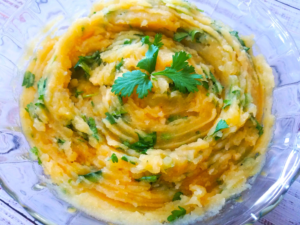
Egyptian Ful Medames

If you ask any Egyptian what the true heartbeat of our cuisine is, they probably won’t point to a fancy feast—they’ll point to a warm bowl of Egyptian Ful Medames. Growing up in Cairo, Friday mornings had their own rhythm: old classic songs playing on the radio, neighbors chatting, and the earthy aroma of fava beans slowly simmering since dawn.
My mother always said that good ful needs time, patience, and a little love. Now that I’m far from home, slowly cooking dried fava beans until they become tender, creamy, and almost buttery is one of my favorite ways to bring a little taste of Egypt back to my kitchen.
In this Egyptian Ful Medames recipe, the beans are gently simmered until perfectly tender, then seasoned with extra virgin olive oil, fresh lemon juice, crushed garlic, and warm ground cumin. It’s naturally vegan, filling, and one of the most comforting Egyptian breakfasts you can make. Serve it with warm eish baladi, tahini, fresh vegetables, or a soft-boiled egg for a delicious taste of the Egyptian breakfast table.
What is Egyptian Ful Medames?
Egyptian Ful Medames (also spelled ful mudammas or foul medames) is one of Egypt’s most beloved traditional dishes and a staple of the Egyptian breakfast table. The name ful refers to fava beans, which are slowly cooked until tender and creamy, then seasoned with simple ingredients such as extra virgin olive oil, fresh lemon juice, garlic, and ground cumin.
Traditionally, Egyptian ful medames is made by slowly simmering dried fava beans for several hours until they become soft and creamy. In Egypt, ful has long been prepared in large pots and traditional vessels known as qidra, although modern home cooks can easily make it in a heavy-bottomed pot on the stovetop.
Ful is much more than a simple bean dish. It is a filling everyday meal commonly served for breakfast with warm eish baladi (Egyptian pita bread), fresh tomatoes and cucumbers, pickles, tahini, or Egyptian ta’ameya (falafel). The combination of creamy fava beans, olive oil, lemon, garlic, and cumin gives this humble Egyptian dish its distinctive flavor.
Why You’ll Love This Egyptian Ful Medames Recipe
If you’re craving a comforting, filling breakfast with simple ingredients and big Egyptian flavor, you’re going to love this Egyptian Ful Medames. Slow-cooked fava beans become tender and creamy, then are finished with olive oil, fresh lemon juice, garlic, and cumin. It’s one of those humble Egyptian dishes that feels incredibly satisfying without needing a long list of ingredients.
- Rich and creamy: Slowly cooking dried fava beans gives them a tender, creamy texture that makes every bite satisfying.
- Simple and budget-friendly: You only need a handful of everyday ingredients to make a hearty and filling Egyptian breakfast.
- Naturally vegan: The basic ful is made with plant-based ingredients, making it a naturally vegan breakfast. Add an egg or other toppings if you prefer.
- Full of flavor: Fresh lemon, garlic, cumin, and extra virgin olive oil transform simple fava beans into a flavorful and comforting meal.
- Easy to customize: Top your ful with tomatoes, cucumbers, pickles, tahini, extra garlic, fresh herbs, or a soft-boiled egg.
- Perfect for an Egyptian breakfast: Scoop it up with warm eish baladi or serve it alongside Egyptian ta’ameya for a delicious and filling meal.
Simple Ingredients for Ful Medames
You only need a few simple ingredients to make my family-style Egyptian Ful Medames. The base starts with dried fava beans, while split fava beans and a small amount of red lentils help create the thick, creamy texture I love. Garlic, cumin, paprika, and tomatoes add flavor as everything slowly simmers.
For the Ful
- Dry small fava beans: These are the main ingredient and give ful its signature earthy flavor and creamy texture. Wash and soak them before cooking.
- Split fava beans:I add these to help make the finished ful thicker and creamier as they cook.
- Red lentils: A small amount breaks down during the long simmer and adds to the creamy consistency. This is a family-style addition rather than a requirement for every Egyptian ful recipe.
- Garlic: Whole garlic cloves simmer with the beans, infusing the pot with savory flavor.
- Paprika: Adds warmth and a little color to the beans.
- Ground cumin: The earthy, warm spice that gives Egyptian ful its familiar flavor.
- Salt and black pepper: Season the beans as they cook.
- Diced tomatoes: These simmer with the beans and add a subtle sweetness and extra depth of flavor.
- Boiling water: You’ll need enough water to keep the beans covered as they slowly cook.
For Serving
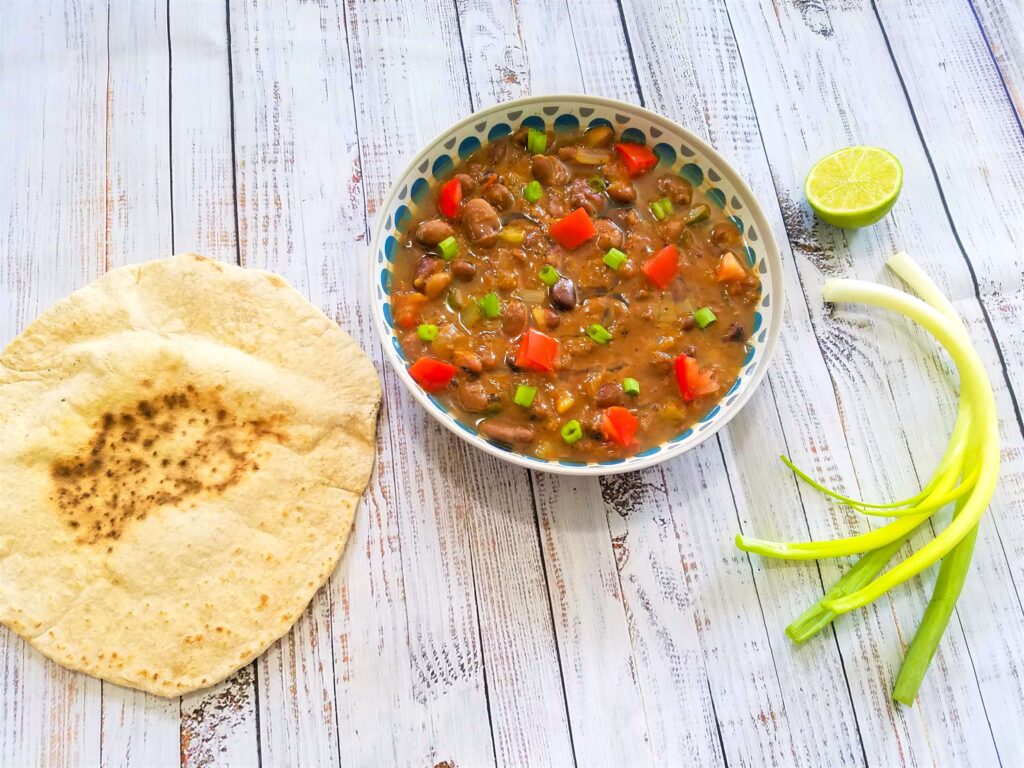
Once the ful is tender and creamy, I like to season each plate with extra virgin olive oil, fresh lemon juice, crushed garlic, cumin, salt, and black pepper. Add diced tomatoes, cucumbers, and chopped green onions for freshness, and serve with warm eish baladi for scooping.
How to Make Egyptian Ful Medames Step by Step
Making Egyptian Ful Medames is simple, but the secret is giving the beans enough time to become completely tender and creamy. Here’s an overview of how I make it in my small stovetop qidra.
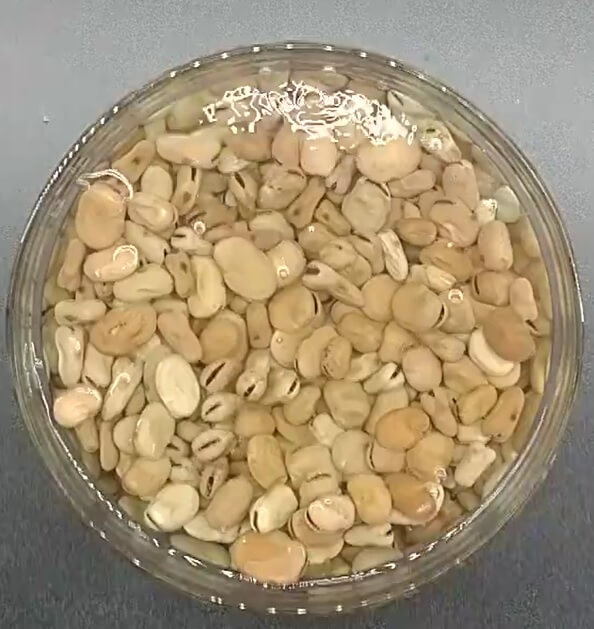
- Give the Fava Beans a Good Soak
Start with dried whole fava beans and soak them in plenty of water for at least 6 hours or overnight. This gives the beans a head start before their long, slow cooking time.
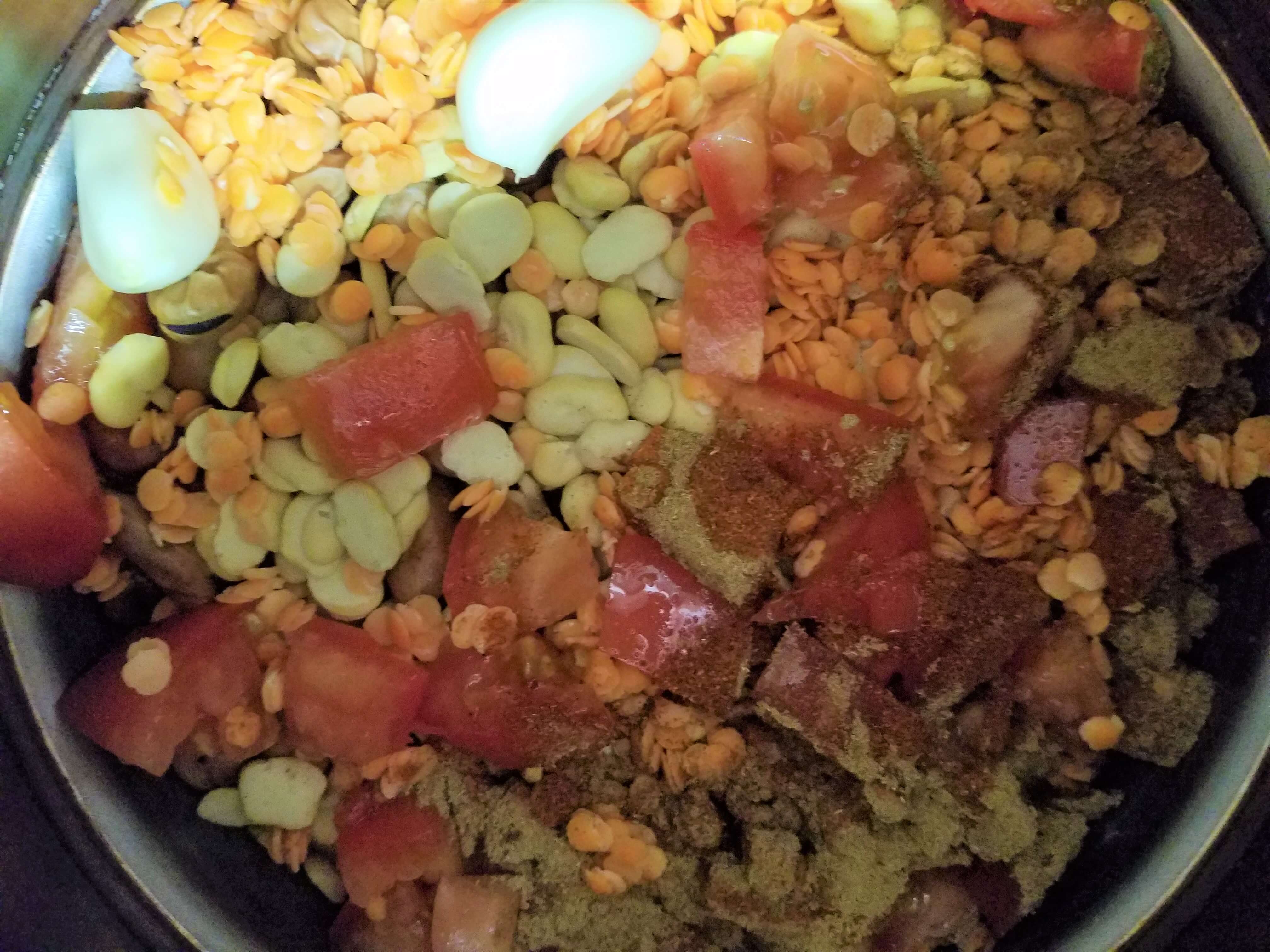
- Layer the Beans and Aromatics
Once the beans are drained and rinsed, add them to your qidra along with the split fava beans and red lentils. Add the garlic, cumin, paprika, tomatoes, salt, and pepper as well, allowing their flavors to infuse the beans as they cook.
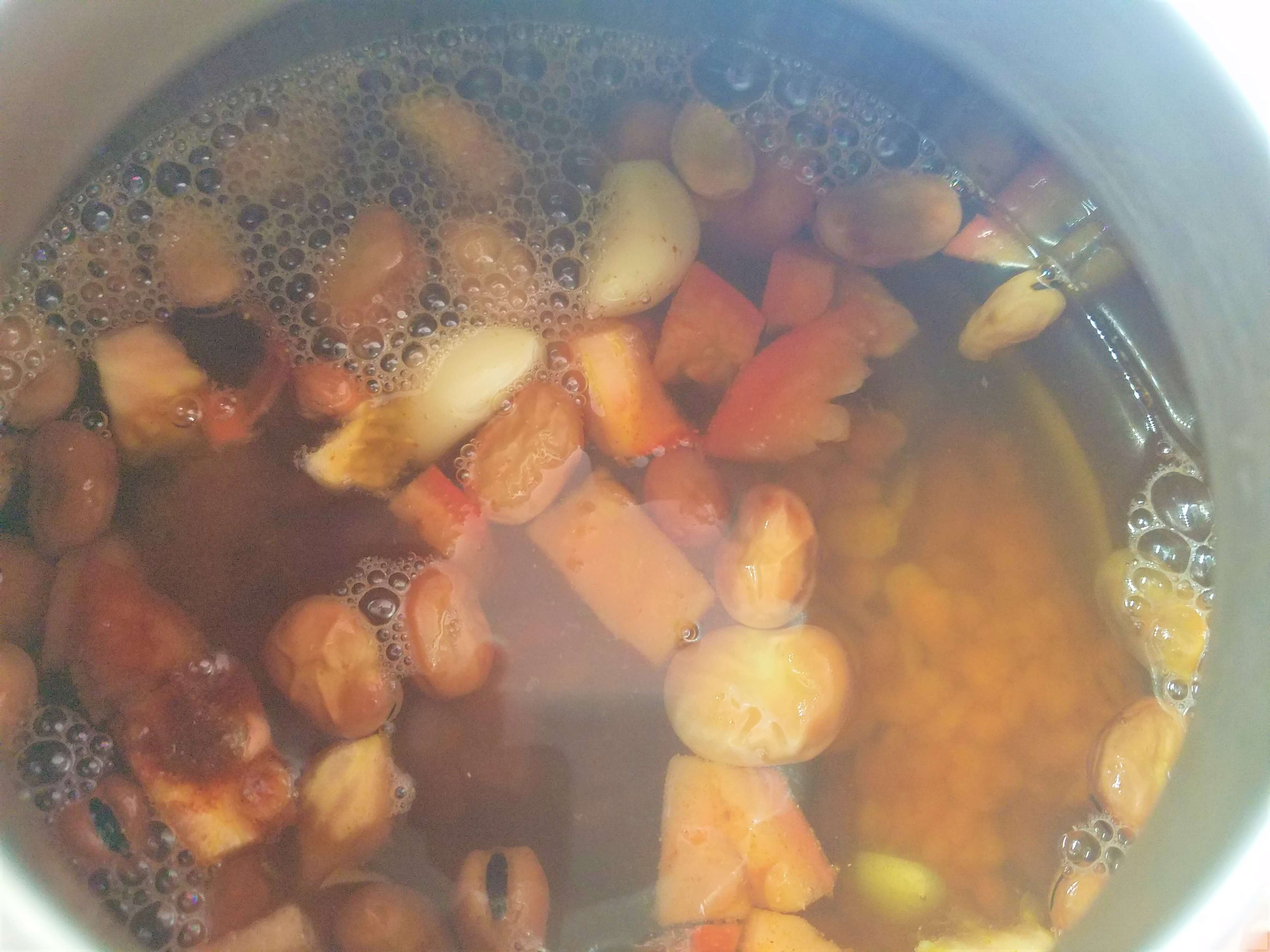
- Start Hot, Then Let It Go Low and Slow
Cover everything with boiling water and bring the pot to a simmer over medium-high heat. After about an hour, lower the heat and let the ful gently simmer for roughly 3 more hours. During this time, the beans gradually soften while the split beans and lentils help create that thick, creamy texture.
- Let the Texture Tell You When It’s Ready
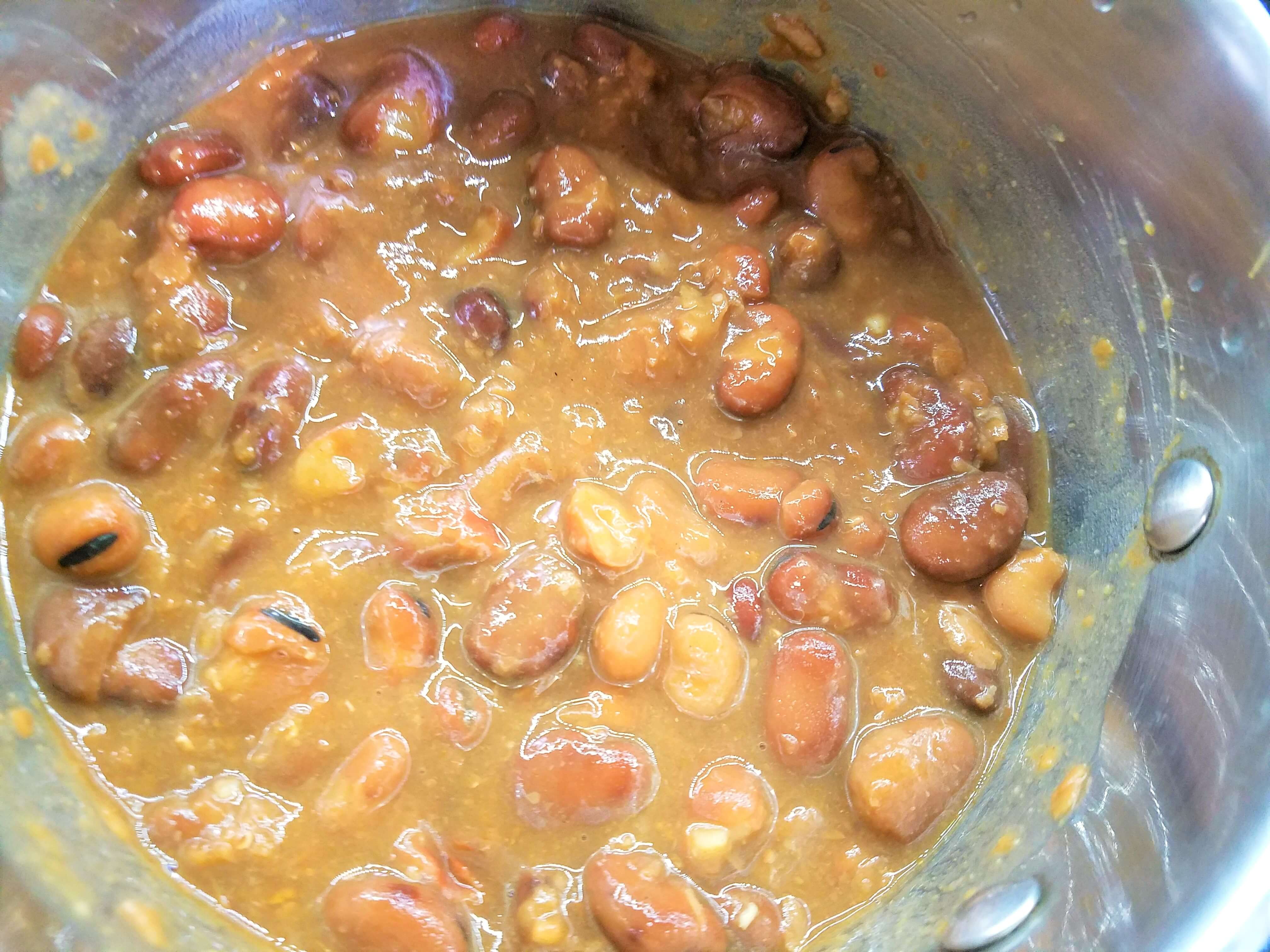
Don’t rely only on the clock. The beans should be so tender that they mash easily with a spoon. If the pot starts running low on liquid before the beans are fully cooked, add a little more boiling water and continue simmering until tender.
- Dress It Up and Make It Your Own
Once the ful is ready, mash some of the beans while leaving others whole for texture. Spoon it into bowls and finish with olive oil, lemon juice, crushed garlic, and cumin. Add tomatoes, cucumbers, and green onions, then serve with warm eish baladi for scooping.
Why I Cook Ful in a Qidra
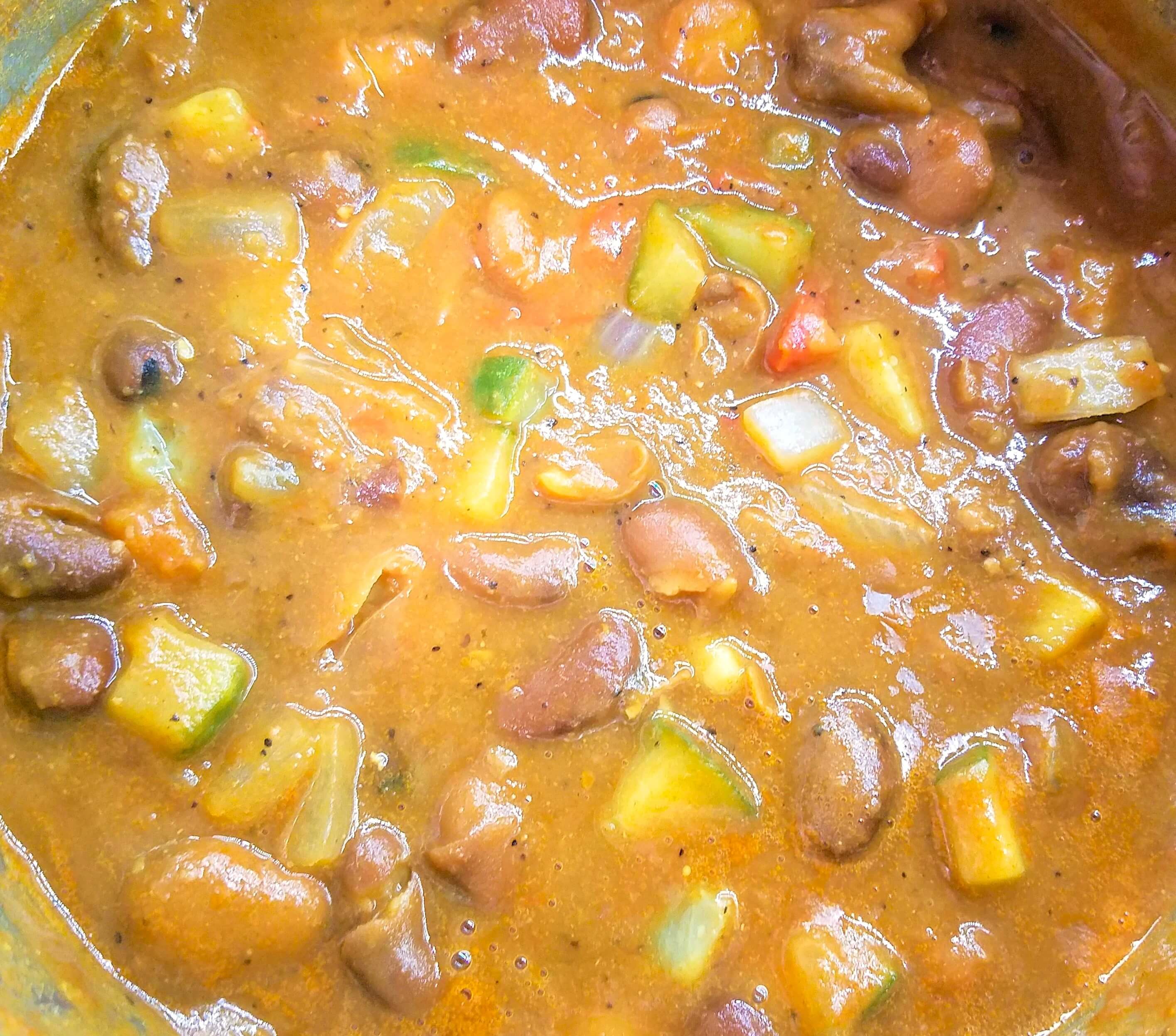
I love cooking my Egyptian Ful Medames in a small qidra because it reminds me of the ful I grew up eating in Egypt. The pot holds the heat beautifully, allowing the beans to slowly simmer until they become incredibly tender and creamy.
I start on medium-high heat, then reduce the heat to low and let the beans cook gently for about three more hours. This slow cooking gives the fava beans their rich, comforting texture that makes a bowl of ful so special.
Tips for the Best Egyptian Ful Medames
After making this Egyptian Ful Medames many times, I’ve found that a few simple details make a big difference in the final texture and flavor.
- Use boiling water when needed: If the pot needs more liquid during the long simmer, add a little boiling water rather than cold water. This helps keep the cooking temperature steady.
- Don’t rush the cooking: The beans need plenty of time to become completely tender. Keep the heat low after the initial simmer and let them slowly soften until they mash easily.
- My family’s creamy-texture trick: I use split fava beans and a small amount of red lentils along with the whole beans. They break down as they cook and give my ful its thick, creamy consistency.
- Mash according to your preference: Mash some of the beans while leaving others whole. This gives you a creamy base with a little texture in every bite.
- Season each serving at the end: I like to finish the warm ful with extra virgin olive oil, fresh lemon juice, crushed garlic, and cumin. Add salt and pepper to taste, then top with fresh vegetables before serving.
What to Serve with Ful
In my Egyptian kitchen, Ful Medames is usually part of a bigger breakfast spread. Here are some of my favorite recipes to serve alongside a warm bowl of ful:
- Easy Egyptian Falafel (Ta’ameya): Crispy on the outside and packed with fresh herbs, Egyptian ta’ameya is one of my favorite companions for creamy ful.
- Easy Pita Bread No Oven: Warm, soft homemade pita is perfect for scooping up the creamy beans and flavorful toppings.
- Easy Mediterranean Cucumber Tomato Salad: Fresh cucumber, juicy tomatoes, and a bright lemon dressing add a refreshing contrast to the rich ful.
- Easy Crispy Egyptian Fried Cauliflower: Golden, crispy cauliflower makes a delicious addition when you’re serving ful as part of a larger Egyptian-style breakfast or mezze spread.
How to Store and Reheat Egyptian Ful Medames
Have leftover Egyptian Ful Medames? It stores well, making this hearty breakfast convenient for meal prep. The ful will naturally thicken as it chills, but a little water when reheating brings it back to a creamy consistency.
- Refrigeration: Let the cooked ful cool briefly, then transfer it to an airtight container and refrigerate for up to 4 days.
- Freezing: Ful freezes well for up to 2 months. Portion the cooled ful into freezer-safe containers or bags, leaving a little room for expansion.
- Reheating on the Stovetop: Place refrigerated or thawed ful in a small saucepan over medium-low heat. Add a splash of water and stir occasionally until heated through and creamy again. Add a little more water if needed.
- Add Fresh Toppings After Reheating: For the best flavor, don’t cook the fresh lemon juice, extra virgin olive oil, crushed garlic, or fresh vegetables into the leftovers. Add them to each warm serving just before eating.
Frequently Asked Questions About Egyptian Ful Medames
If you have questions while preparing your pot of Egyptian Ful Medames, here are some of the most common things to know before you start cooking.
I recommend soaking the whole dried fava beans for 6 to 12 hours or overnight before cooking. Soaking helps the beans hydrate and cook more evenly, which is especially helpful when you’re making a large batch.
Yes, canned fava beans can be used when you need a quicker meal, but this recipe is specifically designed for dried fava beans and a long stovetop simmer. Dried beans allow the whole fava beans, split fava beans, and red lentils to slowly soften together and create the creamy texture of this family-style recipe.
If the beans are still firm, they simply need more cooking time. Dried fava beans can vary in age and size, so continue simmering them gently until they are completely tender and easy to mash. If the liquid gets low before the beans are tender, add more boiling water and continue cooking.
Yes. Let the cooked ful cool completely, portion it into freezer-safe containers, and freeze for up to 2 months. Thaw and reheat gently on the stovetop with a splash of water to restore its creamy consistency.
Ful naturally becomes thicker after refrigeration. Reheat it gently on the stovetop with a small splash of water, stirring until it reaches your preferred consistency. Finish each serving with fresh lemon juice, olive oil, garlic, and cumin.
I love serving ful with warm eish baladi, Egyptian ta’ameya, diced tomatoes, cucumbers, green onions, pickles, and tahini. You can also top it with a soft-boiled egg for a more filling breakfast.
Ready to make it? Follow the exact measurements and simple cooking steps in the Egyptian Ful Medames recipe card below, and enjoy a comforting taste of this traditional Egyptian breakfast at home.

Egyptian Ful Medames
Ingredients
Method
- Soak the Fava Beans: Place the dried whole fava beans in a large bowl and cover generously with water. Let them soak for at least 6 hours or overnight, then drain and rinse well before cooking.
- Add Everything to the Qidra: Transfer the soaked whole fava beans to a small qidra or heavy-bottomed pot. Add the split fava beans, red lentils, whole garlic cloves, paprika, ground cumin, salt, black pepper, and diced tomatoes.
- Bring to a Simmer, Then Cook Slowly: Pour in the 6 cups of boiling water and bring everything to a steady simmer over medium-high heat. Cover the qidra and cook for about 1 hour. Reduce the heat to low and continue cooking for about 3 hours, or until the beans are completely tender and easily mashed.
- Check the Water and Continue Cooking: Keep the pot covered as the beans cook, checking occasionally to make sure there is enough liquid. If the beans begin to look dry before they are completely tender, add a little more boiling water as needed. The finished ful should be thick and creamy, with the beans soft enough to mash easily.
- Mash, Season, and Serve: Once the beans are completely tender, gently mash some with a spoon or potato masher, leaving some whole for texture. Ladle the hot ful into serving bowls and season each portion with extra virgin olive oil, fresh lemon juice, crushed garlic, cumin, salt, and black pepper. Top with diced tomatoes, cucumbers, and chopped green onions, then serve with warm eish baladi or pita bread for scooping.
Notes
EGYPTIAN FUL MEDAMES NOTES & TROUBLESHOOTING
- My Creamy Texture Secret: My family adds split fava beans and a small amount of red lentils to the pot. They break down during the long simmer and help create the thick, creamy texture we love.
- Keep an Eye on the Water: If the beans need more liquid while cooking, add a little boiling water at a time. This helps maintain the cooking temperature without slowing down the simmer.
- Freezer Friendly: Ful freezes well for up to 2 months. Let it cool completely, transfer it to airtight containers, and freeze. Thaw and reheat gently, adding a splash of hot water if needed to bring back its creamy consistency.
If you make a fresh batch of this Egyptian Ful Medames, I’d love to hear how it turned out! Leave a comment and let me know how you served yours—with warm eish baladi, fresh vegetables, or your favorite toppings.
I hope this family-style Egyptian recipe brings a little taste of home to your kitchen. Save it for your next weekend breakfast or family gathering, and if you enjoyed it, send it to someone who loves simple, comforting Egyptian food!
⭐ Loved this recipe? Please leave a 5-star rating in the recipe card and tell me what you thought!
More Recipes to Try