Easy Turkish Bazlama Recipe (Soft & Fluffy Flatbread)
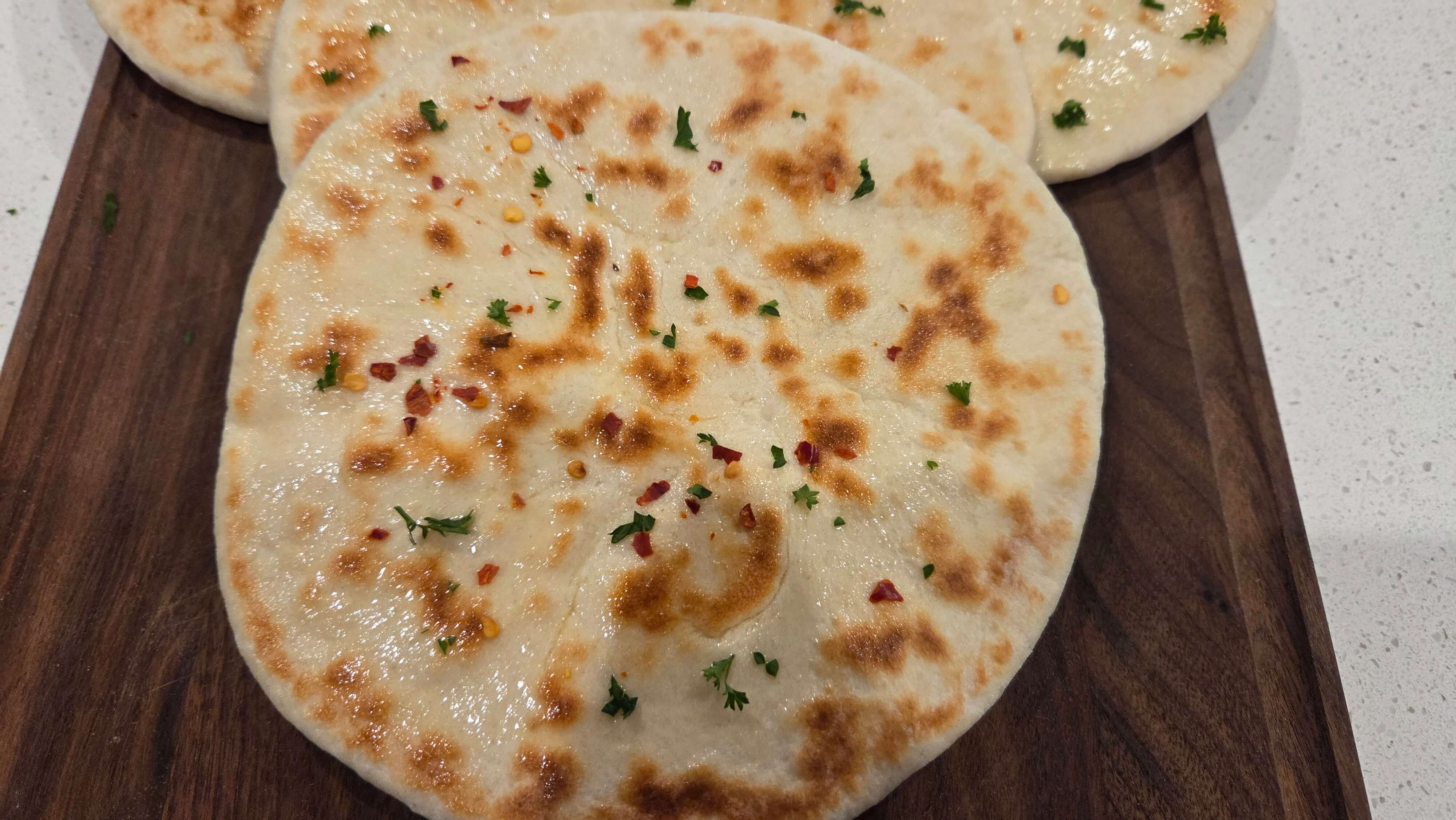
If you know anything about me, you know I cannot imagine my kitchen without fresh bread. Growing up in Egypt, warm Aish Baladi was a daily staple at our family table. But after discovering breads from other Mediterranean cultures, this Turkish Bazlama recipe quickly became one of my favorites. Known as Sütlü Bazlama, this Turkish flatbread gets its wonderfully soft and fluffy texture from warm milk and cooks entirely on the stovetop—no oven required.
What I love most is how simple it is to make. The yeast dough requires basic pantry ingredients, a short rise, and a few minutes in a hot skillet to puff up into thick, pillowy flatbreads with beautiful air bubbles. Whether you serve them with garlic butter, use them to scoop up creamy dips, or wrap them around your favorite grilled meats and vegetables, these soft Turkish flatbreads are an easy homemade bread you’ll want to make again and again. I’m sharing all my best tips for getting that perfect rise and keeping your Bazlama soft and tender.
What Is Turkish Bazlama?
If you have never experienced fresh Turkish bread, you are in for a serious treat! Bazlama is a beloved Turkish flatbread known for its thick, soft texture and beautifully tender crumb. Traditionally cooked on a hot griddle or skillet, this yeast-risen bread develops a lightly golden exterior while staying wonderfully fluffy and chewy inside.
Unlike thin pita bread, Bazlama is intentionally thick and pillowy, with soft air bubbles that make it perfect for tearing apart and sharing at the table. It is a wonderfully versatile bread that can be enjoyed for breakfast, served alongside savory meals, or used to scoop up dips, sauces, and other flavorful dishes.
What Is Sütlü Bazlama?
Sütlü Bazlama simply means “milk Bazlama” in Turkish. This version combines warm milk with water in the dough, giving the flatbread an especially soft, tender texture. It cooks completely on the stovetop, making it an easy way to enjoy fresh, pillowy Turkish flatbread with milk without turning on the oven.
Why You’ll Love This Turkish Bazlama Recipe
If you have never made fresh, warm village bread right on your stovetop, you are about to fall in love! This Turkish Bazlama Recipe is soft, fluffy, and wonderfully versatile, with plenty of reasons to make it part of your homemade bread rotation:
- No Oven Required: Cook each round in a dry skillet right on the stovetop, so there is no need to heat up the oven.
- Soft & Fluffy: Warm milk in the dough helps create a rich, tender texture with a beautifully pillowy crumb.
- Simple Ingredients: You only need everyday staples like flour, yeast, milk, water, and olive oil.
- Easy to Make: The straightforward yeast dough and simple skillet cooking method make homemade Bazlama approachable for beginners.
- Perfect for Dipping: Its thick, chewy texture makes it ideal for scooping up hummus, dips, sauces, and other flavorful dishes.
- Great for Any Meal: Serve it warm for breakfast, alongside savory dishes, or whenever you want fresh homemade bread.
Ingredients You’ll Need for Turkish Bazlama
The best part about making Sütlü Bazlama is that you only need simple, everyday ingredients—no specialty flour or fancy equipment required. Here’s what you’ll need:
- Active Dry Yeast: Helps the dough rise and gives the Bazlama its light, airy texture.
- Granulated Sugar: Feeds the yeast and helps activate it.
- Warm Milk & Water: The liquid base for the dough. Warm milk adds richness and helps create a soft, tender crumb.
- All-Purpose Flour: No specialty flour is needed. Regular all-purpose flour gives the bread a soft texture with just the right amount of chew.
- Salt: Enhances the flavor of the dough.
- Olive Oil: Adds richness and helps keep the dough soft and supple.
- Extra Virgin Olive Oil: Used for brushing the warm Bazlama after cooking.
- Fresh Parsley: Adds a fresh, herby finish.
- Red Pepper Flakes: Optional, but delicious if you enjoy a little heat.
How to Make Turkish Bazlama Step-by-Step
Making this thick, pillowy Turkish flatbread is easier than you might think! The dough comes together with simple ingredients, then rises, gets shaped, and cooks right in a dry skillet. Here’s a quick overview of how this Turkish Bazlama Recipe comes together before you follow the full measurements and timing in the recipe card below.”
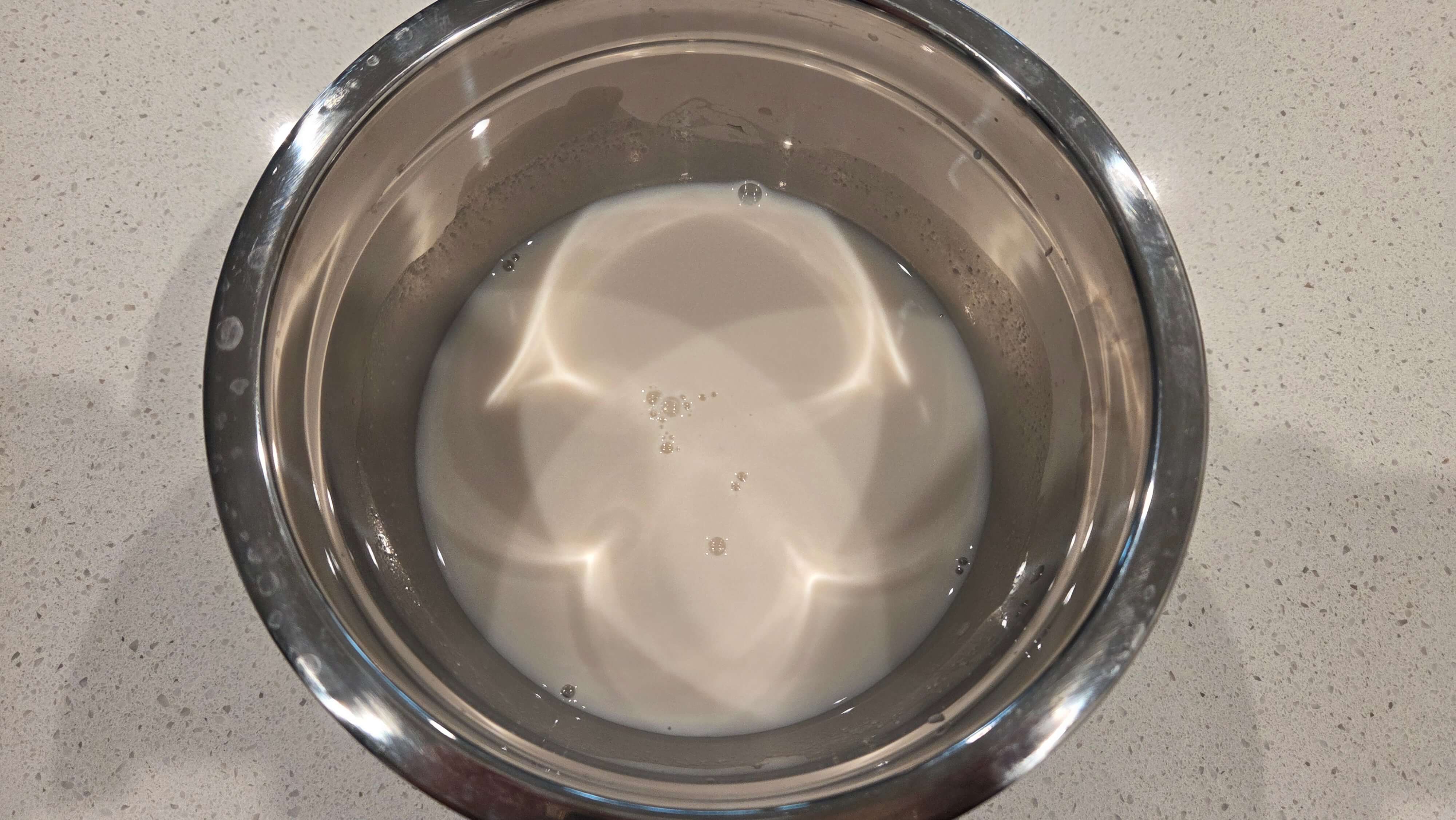
- Activate the Yeast:
Stir the warm water, warm milk, sugar, and yeast together in a mixing bowl. Let the mixture sit for about 10 minutes, until foamy.
- Mix and Knead the Dough:
Add the flour, salt, and olive oil to the yeast mixture. Stir until a soft dough forms, then knead on a lightly floured surface for about 5 minutes, until smooth and soft.
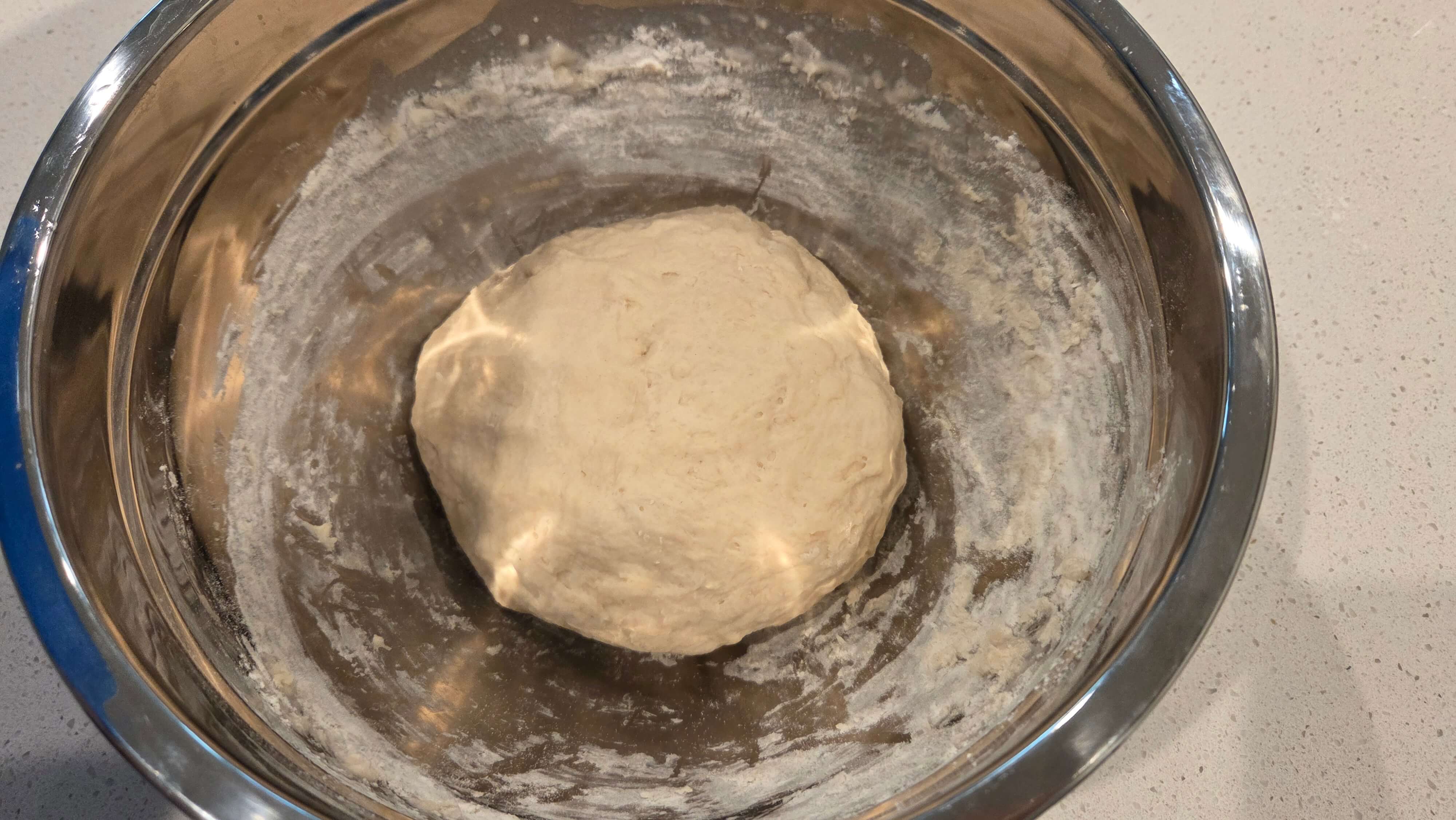
- Let the Dough Rise:
Shape the dough into a ball and place it back in the mixing bowl. Cover and let it rise in a warm spot for 50–60 minutes, or until doubled in size.
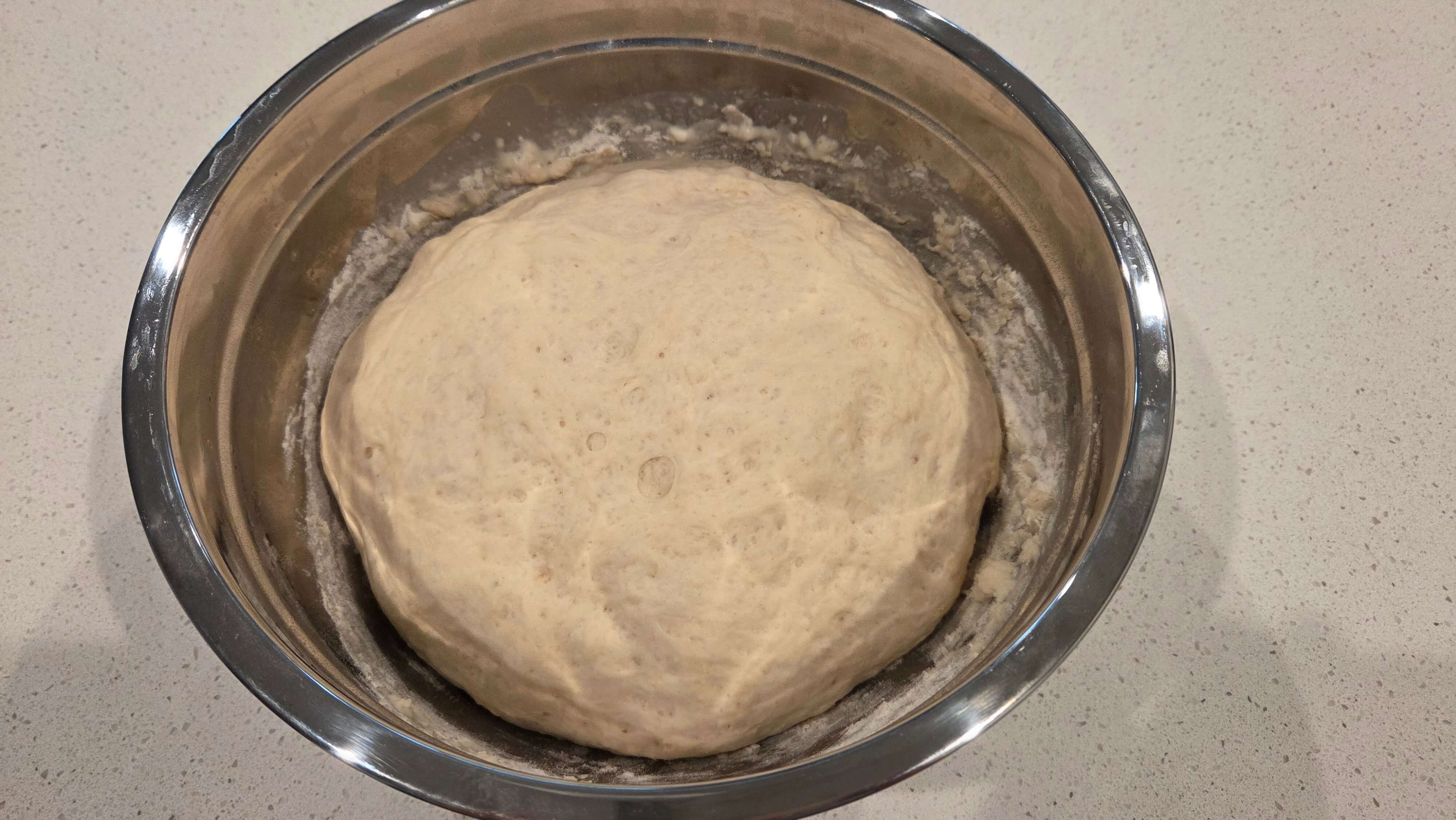
- Divide and Rest the Dough:
Gently punch down the dough and divide it into 6 equal pieces. Shape each piece into a smooth ball, cover with a clean kitchen towel, and let rest for 10 minutes.
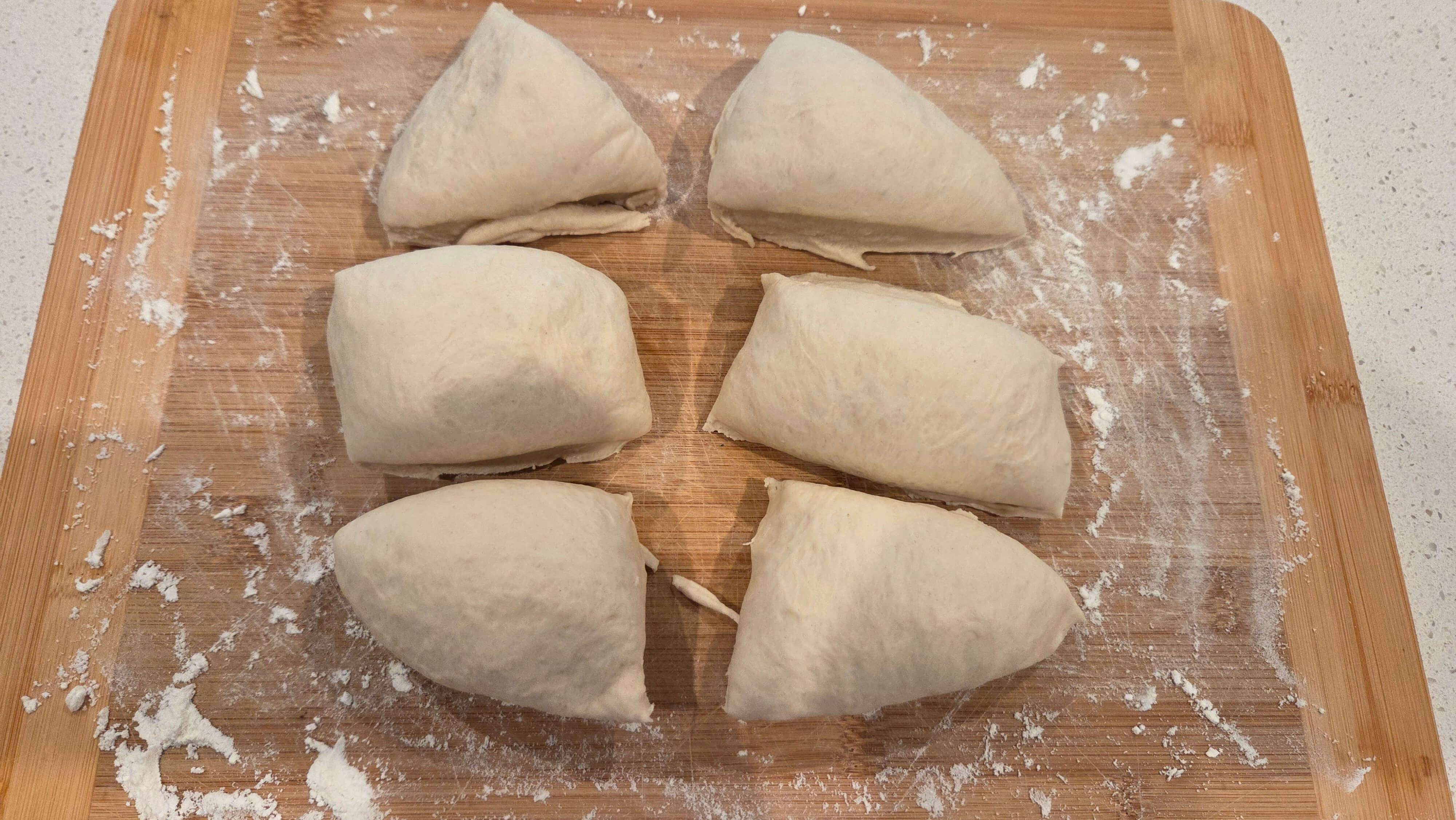
- Roll the Bazlama:
Place each dough ball on a lightly floured surface and roll it into a round about 1/4-inch thick. Keep the remaining dough balls covered so they don’t dry out.
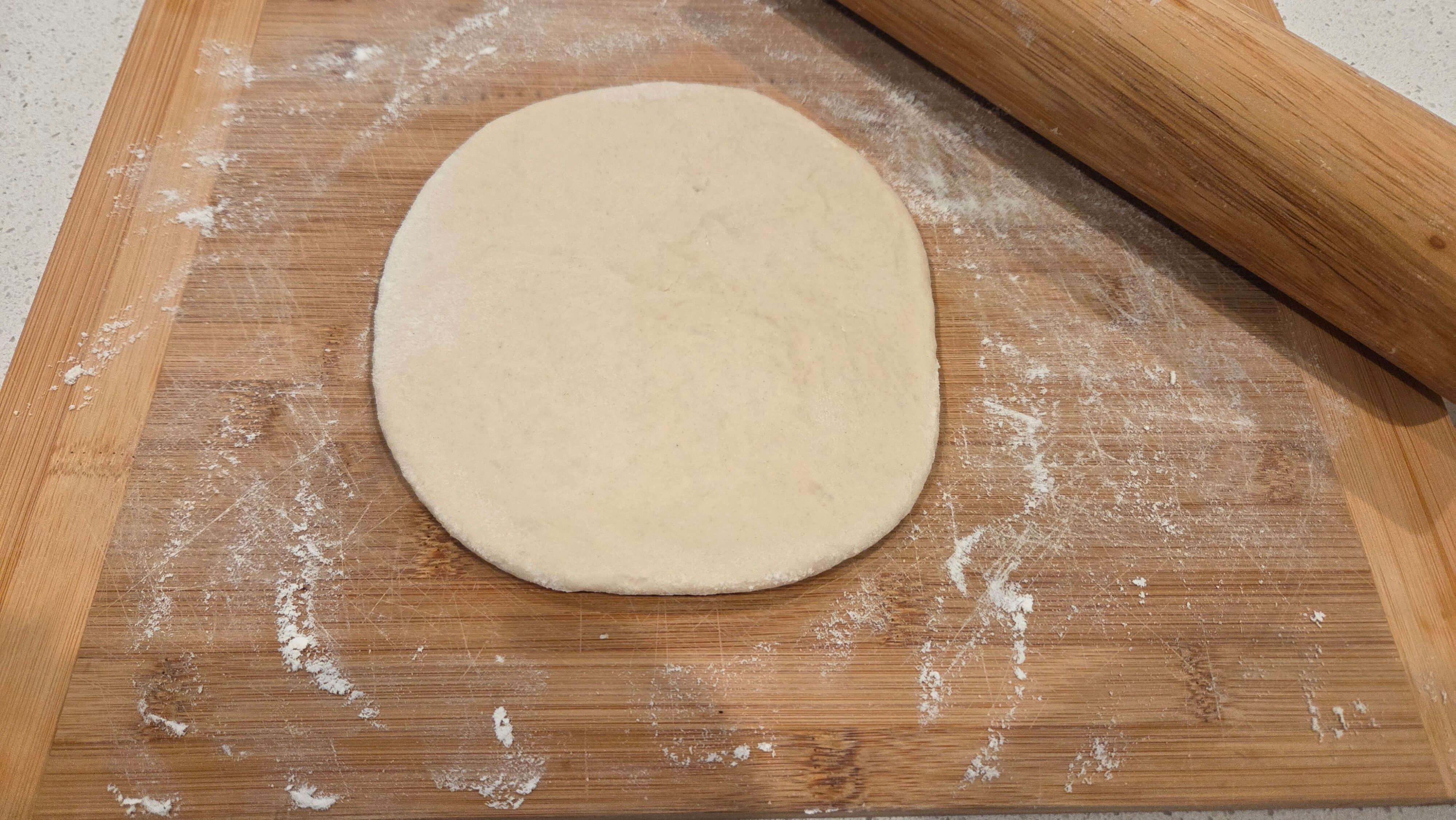
- Cook the Bazlama:
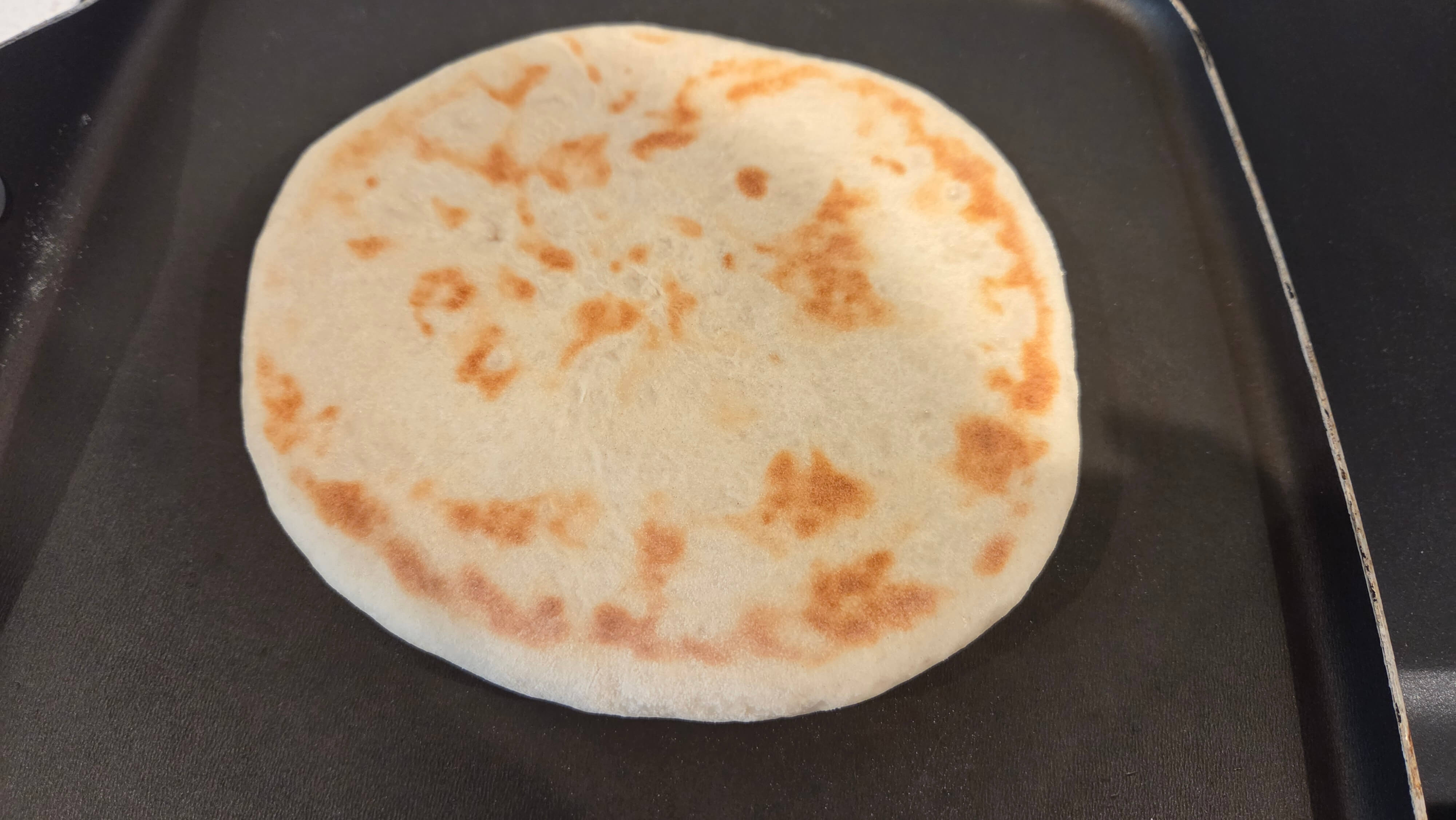
Heat a large dry nonstick skillet over medium heat. Cook each round for about 2 minutes, until soft air bubbles form, then flip and cook for 1 minute more, until lightly golden.
- Garnish and Serve:
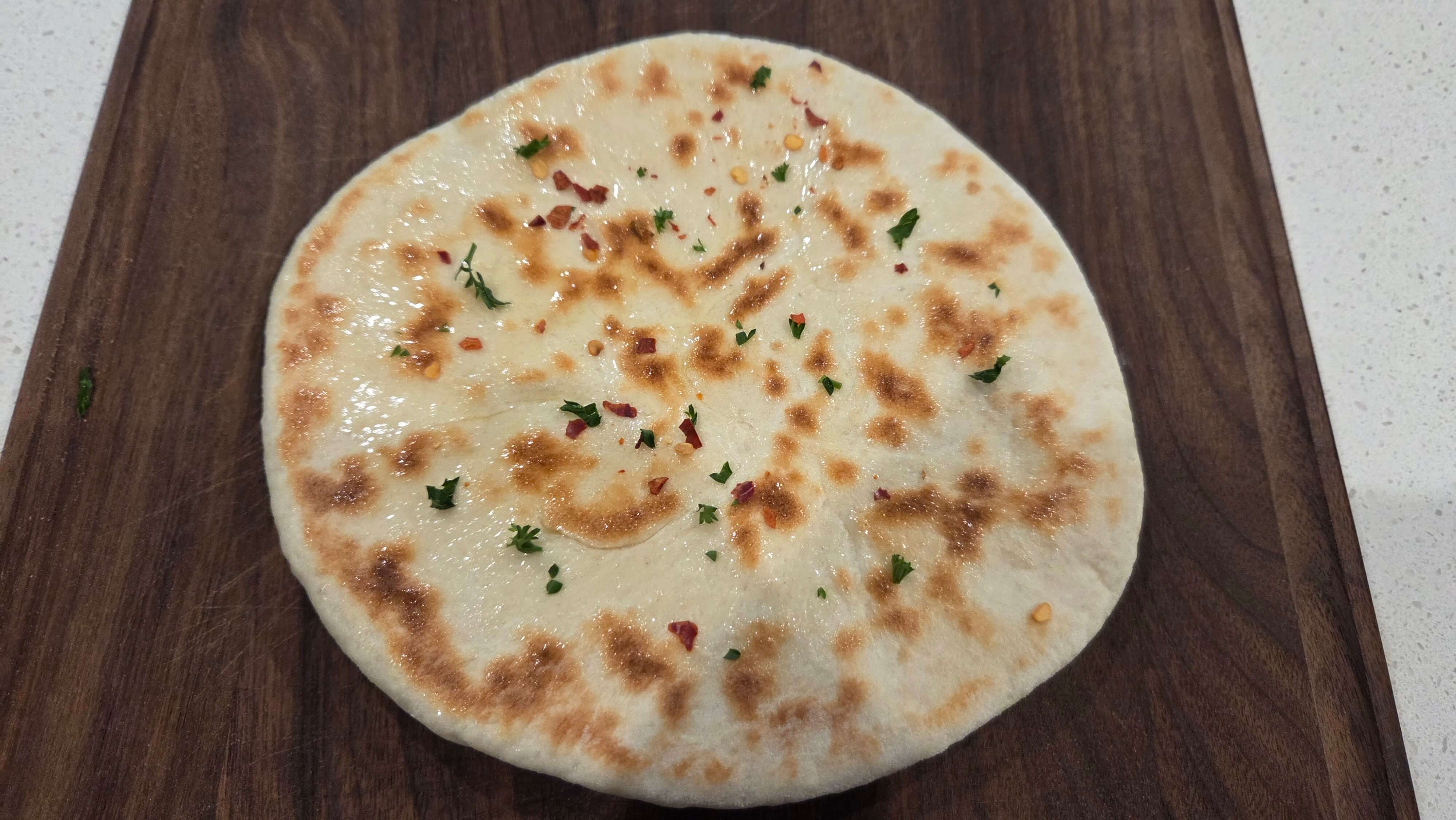
Transfer the warm Bazlama to a cooling rack and loosely cover with a clean kitchen towel to keep it soft. Brush with extra virgin olive oil and sprinkle with fresh parsley and red pepper flakes, if desired. Serve warm.
My Top Tips for Perfectly Soft Bazlama
Making soft, fluffy Sütlü Bazlama is easier than you might think! These simple tips will help you get beautifully puffed, tender flatbreads with a soft crumb every time.
- Get the Liquid Temperature Right: The water and milk should feel warm, not hot, before you add the yeast. Aim for about 105–110°F. After 10 minutes, the mixture should look foamy, which is a good sign that your yeast is active.
- Cook Over Medium Heat: Bazlama should be thick and fluffy rather than hollow like pita. Cook the rounds over steady medium heat until bubbles form on the surface, then flip and continue cooking until lightly golden. Avoid high heat, which can brown the outside too quickly.
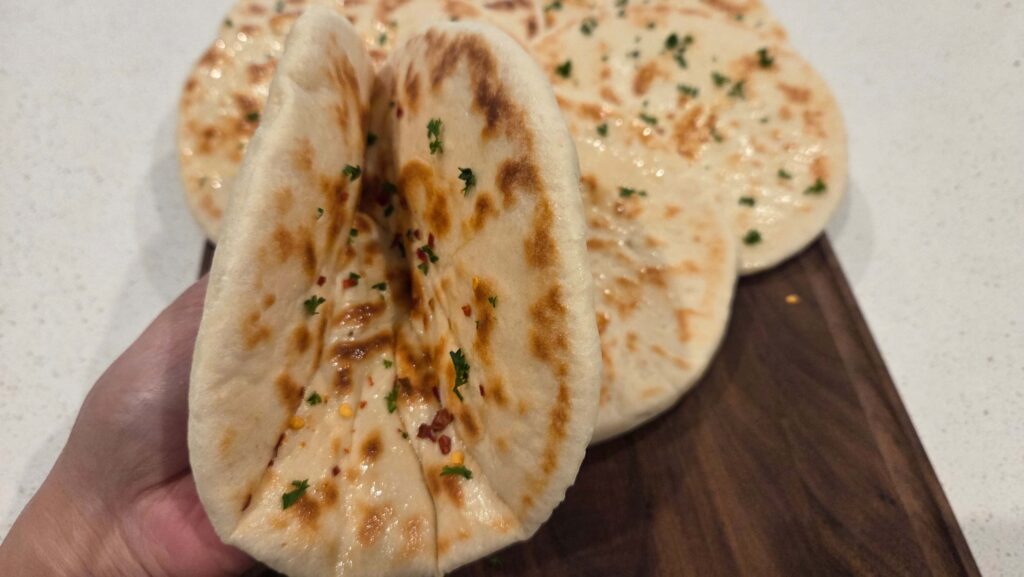
- Keep the Bread Covered: Transfer each hot Bazlama to a cooling rack and loosely cover it with a clean kitchen towel. The trapped steam helps keep the flatbread soft and pliable instead of allowing the surface to dry out.
- Use a Dry Skillet: Cook the Bazlama in a dry nonstick skillet without adding oil or butter. The dough will develop its characteristic golden spots and soft, airy texture as it cooks. Brush the finished bread with extra virgin olive oil after it comes out of the skillet.
What to Serve with Turkish Bazlama
Warm, homemade Bazlama is incredibly versatile and can be served with everything from grilled meats and breakfast favorites to hearty stews and creamy dips. Its thick, soft texture makes it perfect for wrapping, dipping, and scooping up flavorful dishes.
- Grilled Kebab Wraps: Use a warm Bazlama as a soft wrap for grilled meats and vegetables. Fill it with juicy Egyptian Kofta Kebab, sliced Doner Kebab, or seasoned Middle Eastern Chicken Kebabs for an easy, satisfying meal.
- Falafel & Tahini: For a delicious meatless option, stuff warm Bazlama with Crispy Egyptian Falafel and drizzle with creamy tahini sauce. You can also add fresh vegetables or pickles for extra flavor and crunch.
- Hearty Stews: The thick, pillowy texture of Bazlama makes it ideal for scooping up rich sauces and tender meat. Serve it alongside Egyptian Kebab Halla or your favorite savory stew for a comforting meal.
- Breakfast Spreads: Serve warm Bazlama with eggs, cheese, olives, honey, or fresh vegetables for a simple Turkish-inspired breakfast. It’s also delicious with butter or a drizzle of extra virgin olive oil.
How to Store and Reheat Turkish Bazlama
If you have leftover Bazlama, it’s easy to store and reheat while keeping it soft and tender. Let the cooked flatbreads cool completely before storing them, and always keep them well covered to prevent them from drying out.
- Refrigerator: Once completely cool, place the Bazlama in an airtight container or zip-top bag. Refrigerate for up to 4 days.
- Freezer: For longer storage, wrap each cooled flatbread individually and place them in a freezer-safe bag or container. Freeze for up to 3 months. You can reheat them directly from frozen without thawing.
- Stovetop Reheating: For the best texture, warm the Bazlama in a dry skillet over medium-low heat for about 1–2 minutes per side, flipping as needed until heated through and soft.
- Microwave: Place a flatbread on a microwave-safe plate and cover it with a slightly damp paper towel. Microwave in 20-second intervals until warm, checking between intervals to avoid overheating.
Frequently Asked Questions
Trying this Turkish Bazlama Recipe for the first time? These answers will help you troubleshoot the dough, get the right texture, and keep your homemade flatbread soft after cooking.
Yes, but the texture will be different. Milk adds richness and helps create a softer, more tender Bazlama. If you replace the milk with water, the bread will still work, but it won’t have quite the same rich texture as this milk-based version.
No. Cook the Bazlama in a dry skillet over medium heat. Adding oil or butter can cause the surface to brown or fry differently. Brush the cooked flatbread with extra virgin olive oil after it comes out of the skillet.
The yeast may not be active, or the liquid temperature may be off. Use water and milk that are warm but not hot, ideally around 105–110°F. After mixing them with the yeast and sugar, let the mixture sit for about 10 minutes. It should become foamy before you continue with the dough.
Not necessarily. Bazlama is a thick, soft flatbread, rather than a thin pita designed to form a large hollow pocket. You should see bubbles developing as it cooks, while the inside remains thick, fluffy, and tender.
Transfer each cooked flatbread to a cooling rack and loosely cover it with a clean kitchen towel while you finish cooking the batch. This helps retain moisture and keeps the bread soft and pliable as it cools.
Ready to fill your kitchen with that warm, cozy aroma of fresh bread? Grab the printable recipe card below for the exact measurements and timing to make this Turkish Bazlama Recipe at home.
Turkish Bazlama Recipe
Ingredients
Method
- Activate the Yeast: Combine the warm water, warm milk, sugar, and yeast in a large mixing bowl. Stir and let it sit for 10 minutes, until foamy.
- Mix and Knead the Dough: Add the flour, salt, and olive oil to the yeast mixture. Stir until a soft dough forms, then transfer it to a lightly floured surface and knead for about 5 minutes, until smooth and soft.
- Let the Dough Rise: Shape the dough into a ball and place it back in the mixing bowl. Cover and let it rise for 50–60 minutes, or until doubled in size.
- Divide and Rest: Punch down the dough and divide it into 6 equal pieces. Shape each piece into a ball, cover with a clean kitchen towel, and let rest for 10 minutes.
- Roll the Bazlama: Place one dough ball on a lightly floured surface and roll it into a round about 1/4-inch thick. Repeat with the remaining dough balls, keeping them covered so they don't dry out.
- Cook the Bazlama: Heat a large dry nonstick skillet over medium heat. Place one rolled dough round in the skillet and cook for about 2 minutes, until soft air bubbles form. Flip and cook for 1 minute more, until lightly golden. Transfer the cooked Bazlama to a cooling rack and loosely cover with a clean kitchen towel to keep it soft.
- Brush and Garnish: While the Bazlama is still warm, brush each flatbread with extra virgin olive oil. Sprinkle with chopped fresh parsley and red pepper flakes, if desired. Serve warm.
Notes
- Use the right temperature: Keep the water and milk around 105–110°F—warm, not hot. After 10 minutes, the yeast mixture should look foamy.
- Don’t overcook the Bazlama: Cook over steady medium heat until soft bubbles form and the bread is lightly golden. Avoid high heat, which can brown the outside before the inside is fully cooked.
- Keep it soft: Transfer each hot Bazlama to a cooling rack and loosely cover it with a clean kitchen towel. The trapped steam helps keep the bread soft and pliable.
- For longer storage: Cool the cooked Bazlama completely, then wrap tightly and freeze for up to 3 months. Reheat a frozen flatbread in a dry skillet or toaster for 1–2 minutes until warm and soft.
If you make this Turkish Bazlama Recipe at home, I would absolutely love to hear how your soft, fluffy stovetop flatbreads turned out! Leave a comment below and let me know how you served yours—wrapped around juicy chicken kebabs, paired with savory stews, or simply enjoyed warm with olive oil and fresh herbs.
Don’t forget to save this recipe for your next homemade bread day and share it with friends and family who love simple, comforting breads made right on the stovetop. If you enjoyed this recipe, please leave a ⭐ star rating in the recipe card below. Your rating helps other readers discover and enjoy this recipe too!
More Recipes to Try