Easy Egyptian Mahalabia
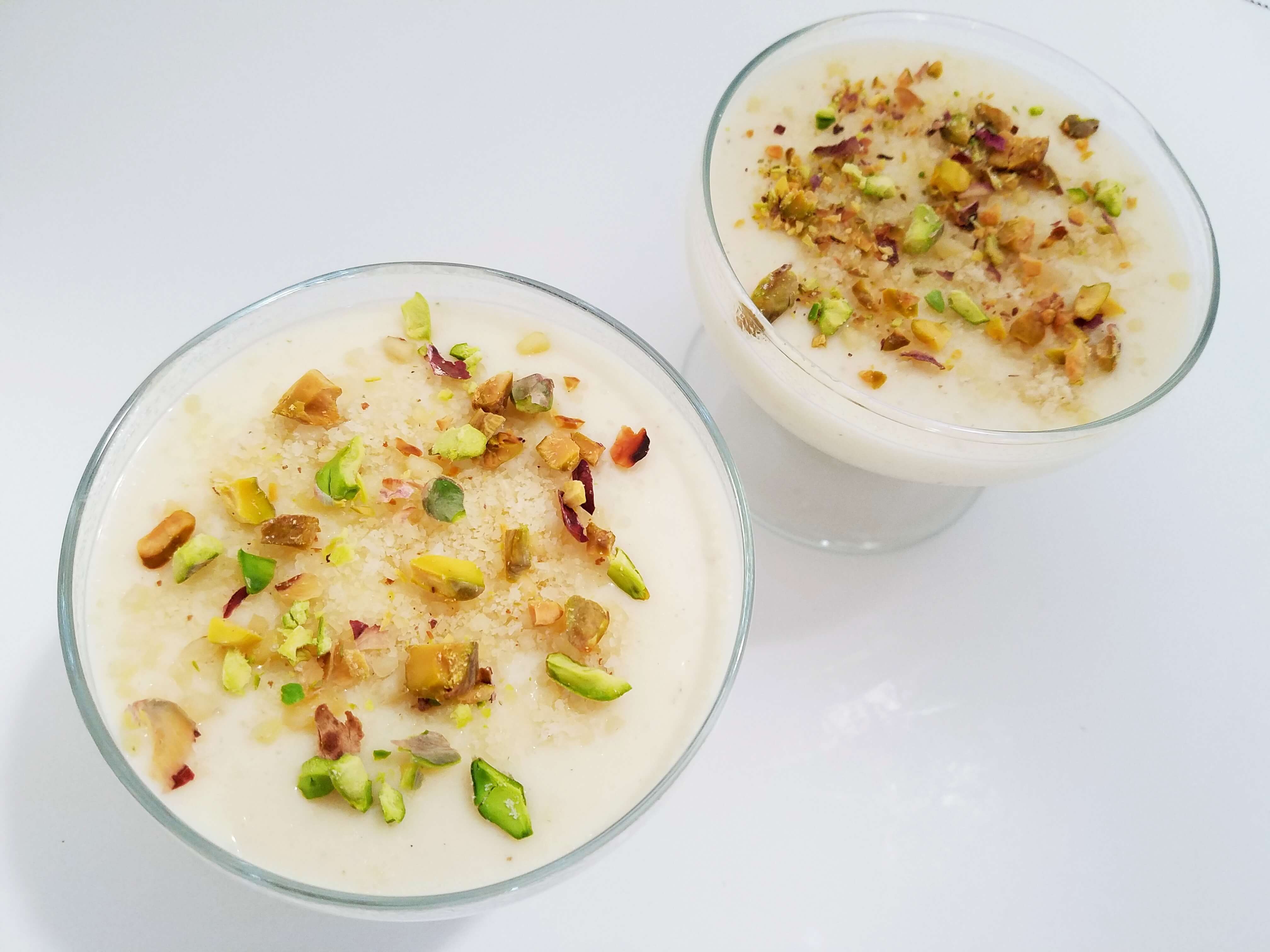
I still remember walking through the busy streets of Cairo craving something sweet, and heading straight to the nearest Labban, or milk shop, for a little cup of chilled Egyptian Mahalabia. Growing up in Egypt, these bright, bustling dairy shops were part of everyday life, and their creamy milk pudding was always one of my favorite treats.
This easy Egyptian Mahalabia recreates that smooth, velvety texture at home in just 15 minutes with simple ingredients like whole milk, sugar, cornstarch, and vanilla. No eggs, heavy cream, or baking required!
The secret is in how you make the cornstarch slurry and cook the pudding, giving you a glossy, lump-free texture that sets beautifully without becoming rubbery. Serve it chilled in individual glasses and finish with chopped pistachios for a simple Egyptian dessert that tastes like a treat from a Cairo milk shop.
What Is Egyptian Mahalabia?
If you are new to Middle Eastern desserts, Egyptian Mahalabia is a simple stovetop milk pudding with a smooth, creamy texture and delicate vanilla flavor. Unlike custard-style desserts that rely on eggs or heavy cream, this traditional Egyptian dessert uses whole milk, sugar, and cornstarch to create its signature silky consistency.
Growing up in Cairo, I often enjoyed Mahalabia from local dairy shops, known as Labban. The pudding is cooked gently on the stovetop until thick and glossy, then poured into individual glasses and chilled until cold and set. A sprinkle of chopped pistachios or mixed nuts adds the perfect crunchy finish to this creamy Egyptian dessert.
Why You’ll Love This Creamy Milk Pudding
If you love simple desserts with a smooth, creamy texture, this Egyptian Mahalabia is an easy one to add to your recipe rotation. It comes together quickly on the stovetop and needs just a handful of everyday ingredients.
- Silky and lump-free: Dissolving the cornstarch in cold milk first and whisking constantly creates a smooth, glossy pudding without lumps.
- Delicate vanilla flavor: Vanilla extract gives the creamy milk base a warm, familiar sweetness without overpowering the dessert.
- No eggs or gelatin: Cornstarch provides all the thickening power, making this an easy eggless and gelatin-free dessert.
- Ready in 15 minutes: The pudding cooks quickly on the stovetop, then simply chills in the refrigerator until set.
- Simple ingredients: All you need is whole milk, sugar, cornstarch, vanilla, and pistachios for serving.
- Perfect served cold: Chilled Mahalabia is creamy, light, and refreshing, making it especially enjoyable after a family meal or on a warm day.
Simple Ingredients for Mahalabia
Making Egyptian Mahalabia at home requires just a handful of simple ingredients. Here’s what you’ll need:
- Whole Milk: Use whole milk as the creamy base for the pudding. Reserve some cold milk to dissolve the cornstarch before adding it to the saucepan.
- Granulated Sugar: Adds the right amount of sweetness without overpowering the vanilla.
- Cornstarch: Thickens the milk pudding and gives it a smooth, creamy consistency. Dissolve it in the reserved cold milk first to prevent lumps.
- Vanilla Extract: Adds a warm, fragrant vanilla flavor to the creamy milk base.
- Chopped Pistachios: Sprinkle over the chilled pudding just before serving for a crunchy finish. Mixed nuts work well too.
How to Make Egyptian Mahalabia
Making Egyptian Mahalabia is simple, but a few small techniques make a big difference in getting that smooth, silky texture. Here’s what to look for at each stage.
- Whisk the slurry
Start by combining the cornstarch with the reserved cold whole milk in a small bowl. Whisk until the mixture is completely smooth with no visible white lumps.
This step is important because cornstarch can clump quickly when it hits hot liquid. Starting with cold milk allows the cornstarch to disperse evenly, so it can thicken the pudding smoothly once added to the saucepan.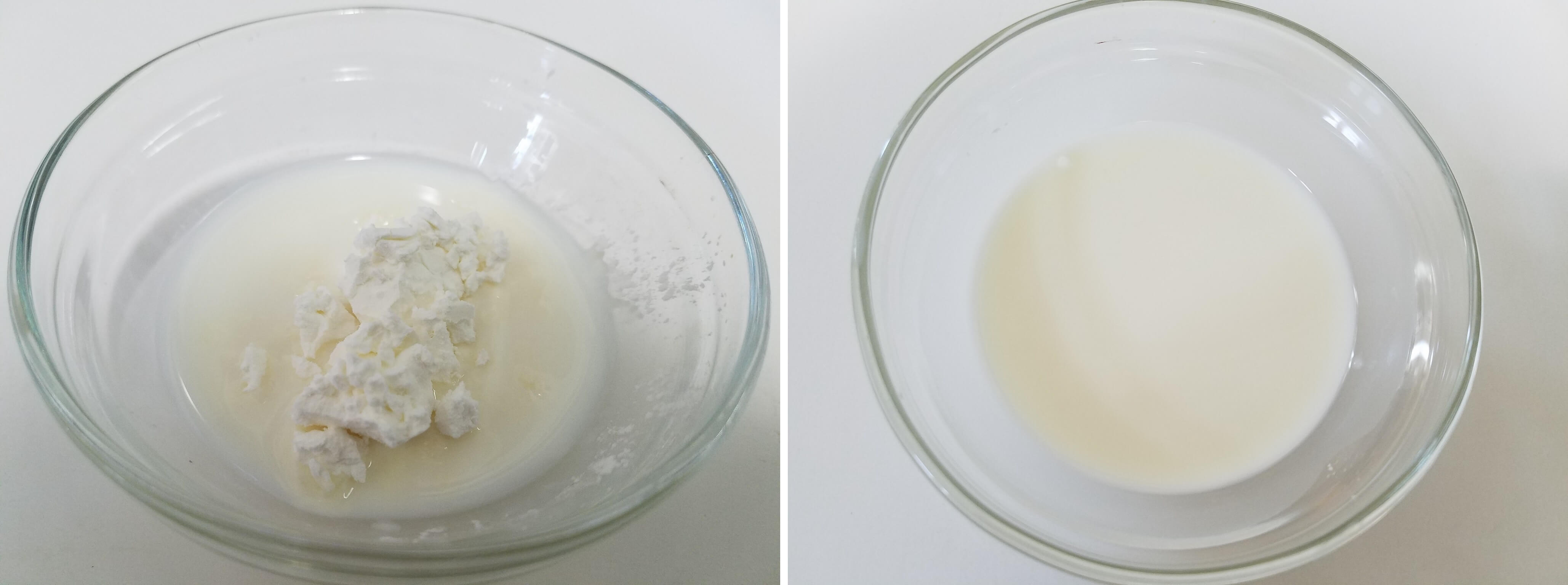
- Warm the milk
Add the remaining whole milk and sugar to a saucepan and place it over medium heat. Stir occasionally as the sugar dissolves and the milk gradually warms.
You don’t want the milk to boil. Gentle heating gives you better control and prevents the milk from scorching on the bottom of the pan. Once the milk is hot but not bubbling, it’s ready for the cornstarch slurry.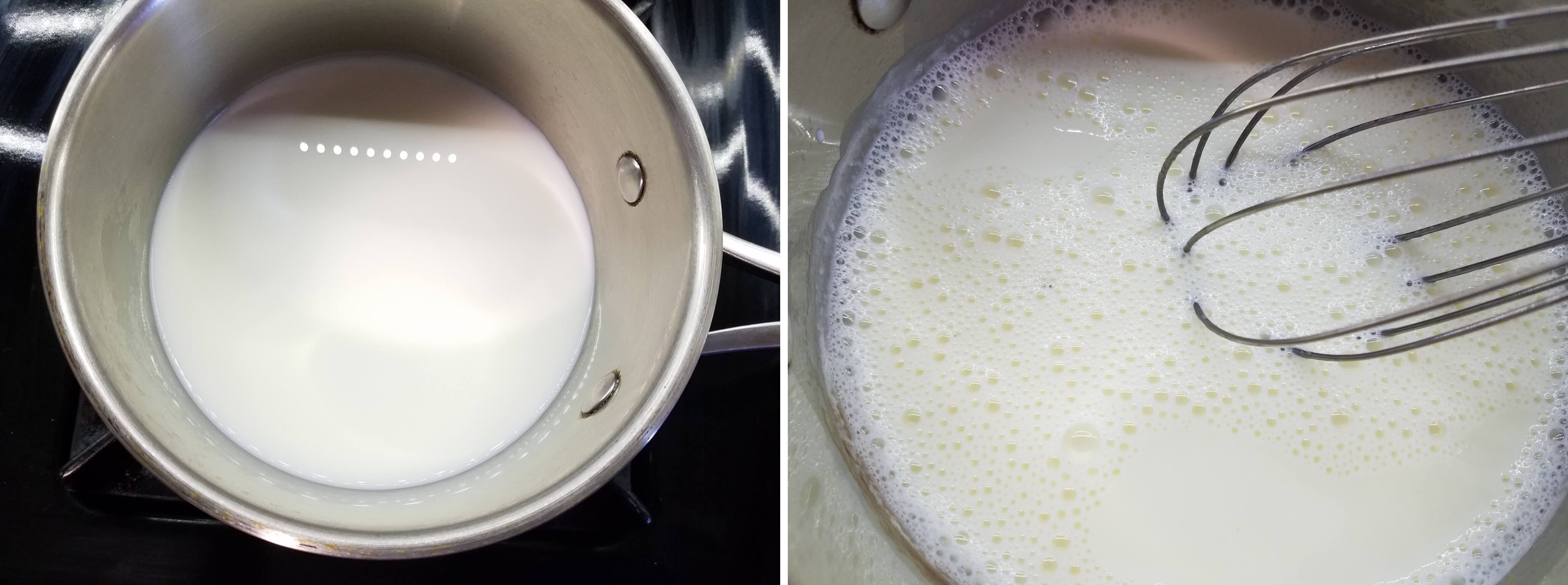
- Thicken and flavor
Slowly pour the cornstarch slurry into the warm milk while whisking continuously. Keep whisking as the mixture cooks so the cornstarch distributes evenly and doesn’t settle on the bottom.
After several minutes, the milk will gradually become thicker and creamier. You’ll know it’s ready when the pudding noticeably thickens and coats the back of a spoon. It should look smooth and glossy rather than watery.
Remove the saucepan from the heat and stir in the vanilla extract. Adding the vanilla at the end helps preserve its delicate aroma and gives the pudding its classic fragrant flavor.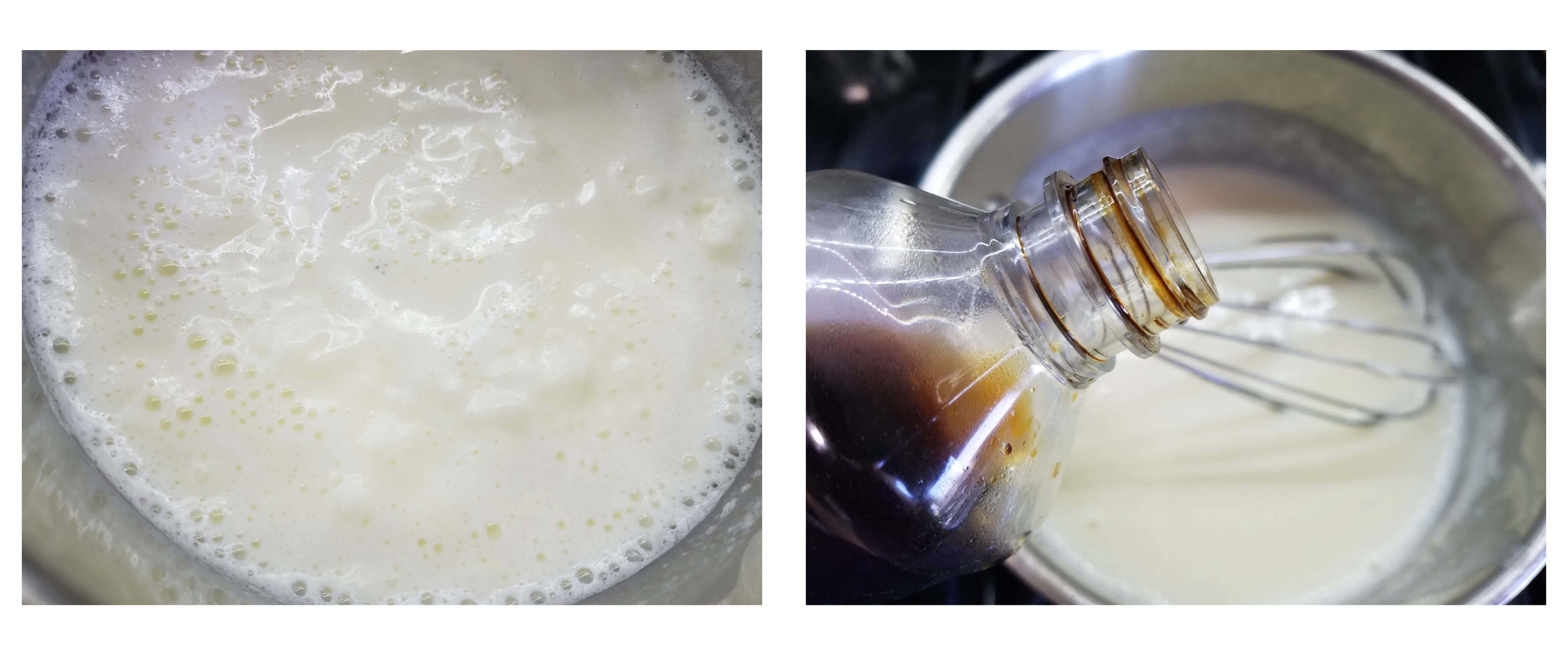
- Pour, chill, and garnish
Immediately divide the warm pudding between four dessert glasses or serving dishes. Let them cool at room temperature for about 15 minutes before covering and transferring them to the refrigerator.
The pudding will continue to set as it chills, so don’t worry if it seems slightly softer while still warm. Refrigerate until completely cold and set.
Just before serving, sprinkle the tops with chopped pistachios or your favorite mixed nuts. Adding the nuts at the end keeps them crunchy and gives the creamy pudding a nice contrast in texture.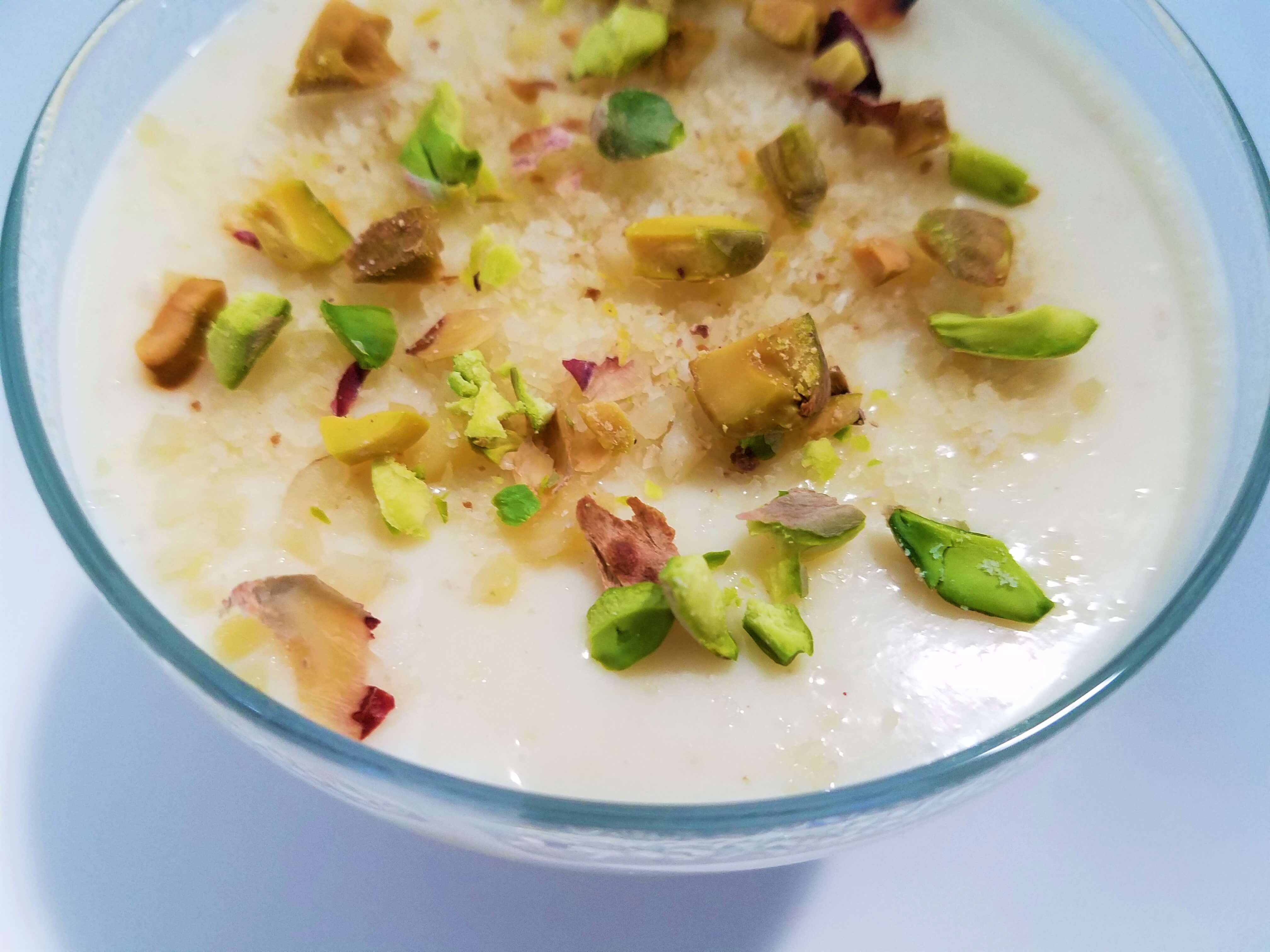
Tips for a Smooth, Creamy Texture
A few simple techniques will help you get the smooth, silky texture that makes this pudding so delicious.
- Use whole milk: Whole milk gives the pudding a richer, creamier texture. Lower-fat milk can work, but the finished pudding may not be quite as rich.
- Always dissolve the cornstarch in cold milk: Never add dry cornstarch directly to the hot milk. Whisking it with the reserved cold milk first creates a smooth slurry and helps prevent lumps.
- Whisk constantly as it thickens: Keep whisking while the cornstarch cooks into the milk. This helps the pudding thicken evenly and prevents it from sticking to the bottom of the saucepan.
- Don’t let the milk boil: Cook the mixture gently over medium heat. You want it hot enough for the cornstarch to thicken the pudding without bringing the milk to a vigorous boil.
- Don’t overcook the pudding: Remove it from the heat once it has noticeably thickened and coats the back of a spoon. It will continue to set as it cools and chills, so it should still be easily pourable when you transfer it to the serving glasses.
- Prevent a skin from forming: If you want an especially smooth surface, press plastic wrap directly onto the surface of the warm pudding before refrigerating.
- Chill before serving: Give the pudding enough time to become completely cold and set. At least 2 hours in the refrigerator gives it the best texture.
- Add the pistachios just before serving: Sprinkle the chopped pistachios or mixed nuts over the chilled pudding right before serving. This keeps the nuts crisp and gives you a pleasant crunchy contrast to the creamy pudding.
- Make it ahead: Mahalabia is an excellent make-ahead dessert. Prepare it several hours before serving and keep it refrigerated until you’re ready to garnish and serve.
What to Serve With Mahalabia
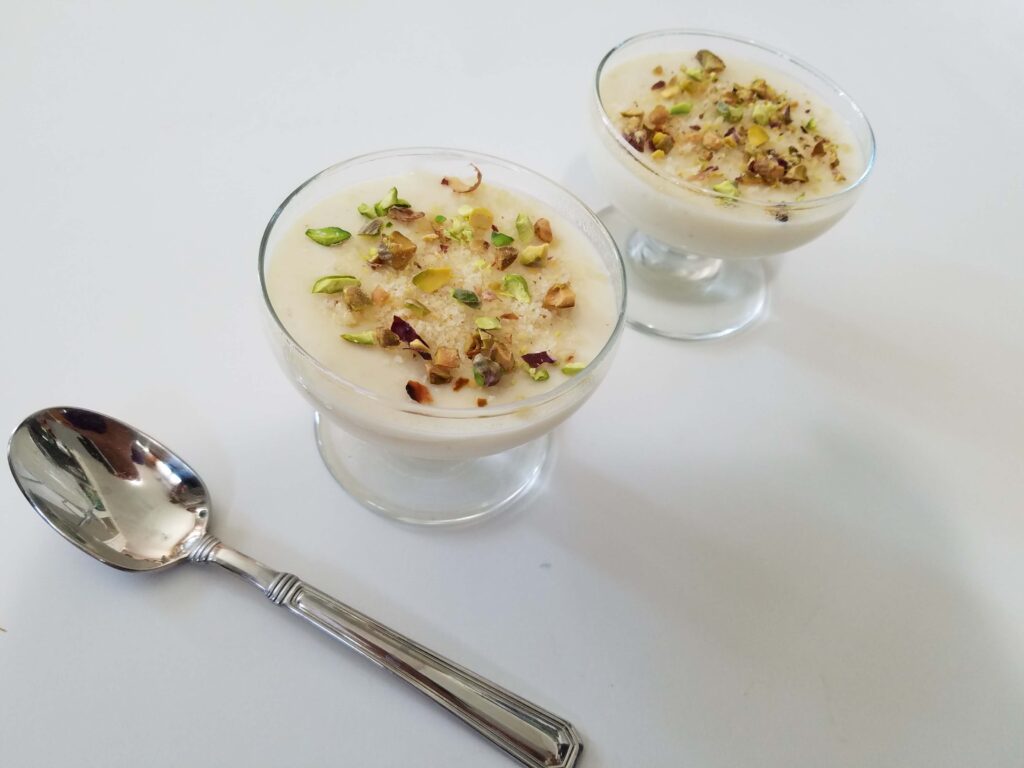
Mahalabia is delicious on its own, but it also fits beautifully into a larger Egyptian or Middle Eastern dessert spread. For Ramadan, Eid, holidays, or family gatherings, serve it alongside a mix of creamy puddings, fresh fruit, cookies, and hot drinks.
- Creamy Egyptian Desserts: If your family loves creamy desserts, serve Mahalabia alongside Egyptian Rice Pudding (Roz Bel Laban) or Qamar Al Din Pudding. The fruity apricot flavor of Qamar Al Din adds a nice contrast to the delicate vanilla pudding.
- Egyptian Cookies: Add a platter of Egyptian Betefour Cookies or Vegan Date Pinwheel Cookies for a variety of textures. The buttery or date-filled cookies pair especially well with the cool, creamy pudding.
- Fresh Fruit: Fresh mangoes, strawberries, berries, or figs add color and a juicy contrast to the smooth sweetness of the pudding. Slightly tart fruit works especially well.
- Coffee or Mint Tea: Serve chilled Mahalabia with a small cup of strong Turkish coffee or a glass of hot mint tea. The warmth and slight bitterness of the drink balance the cool, creamy dessert beautifully.
How to Store Egyptian Mahalabia
Mahalabia is a great make-ahead dessert and keeps well in the refrigerator, making it easy to prepare a day or two before serving.
- Refrigerate promptly: Cover the individual pudding cups tightly with plastic wrap or transfer the pudding to an airtight container. Keep it refrigerated and enjoy within 4 days.
- Add the pistachios before serving: For the best texture, wait until you’re ready to serve before adding the chopped pistachios or mixed nuts. This keeps the nuts crisp instead of allowing them to soften in the refrigerator.
- Don’t freeze Mahalabia: Freezing is not recommended because the cornstarch-thickened pudding can become watery, grainy, or separated after thawing. For the smoothest texture, keep it refrigerated instead.
Common Questions About Mahalabia
If you’re making Mahalabia for the first time, these answers cover some of the most common questions about its texture, ingredients, storage, and serving temperature.
The most common reasons are not using enough cornstarch or not cooking the mixture long enough. Make sure the cornstarch is fully dissolved in cold milk before adding it to the warm milk, then whisk constantly as it cooks. The pudding should noticeably thicken and coat the back of a spoon before you remove it from the heat.
Yes. Mahalabia is an excellent make-ahead dessert because it needs time to chill and set. Prepare it up to 2 days ahead, cover the individual servings, and keep them refrigerated until you’re ready to serve.
Yes, but whole milk gives Mahalabia a richer and creamier texture. Lower-fat milk will still work, but the finished pudding may be slightly less creamy.
Properly covered and refrigerated, Mahalabia will keep for up to 4 days. For the best texture, add the chopped pistachios or other nuts just before serving.
Mahalabia is traditionally served cold. Chilling allows the cornstarch-thickened pudding to fully set and gives it its smooth, creamy texture. Refrigerate it for at least 2 hours before serving.
Ready to make this creamy Egyptian classic at home? Grab the printable recipe card below and bring a little taste of Cairo to your kitchen. Save this comforting family favorite for your next family gathering or whenever you’re craving a silky, chilled dessert.
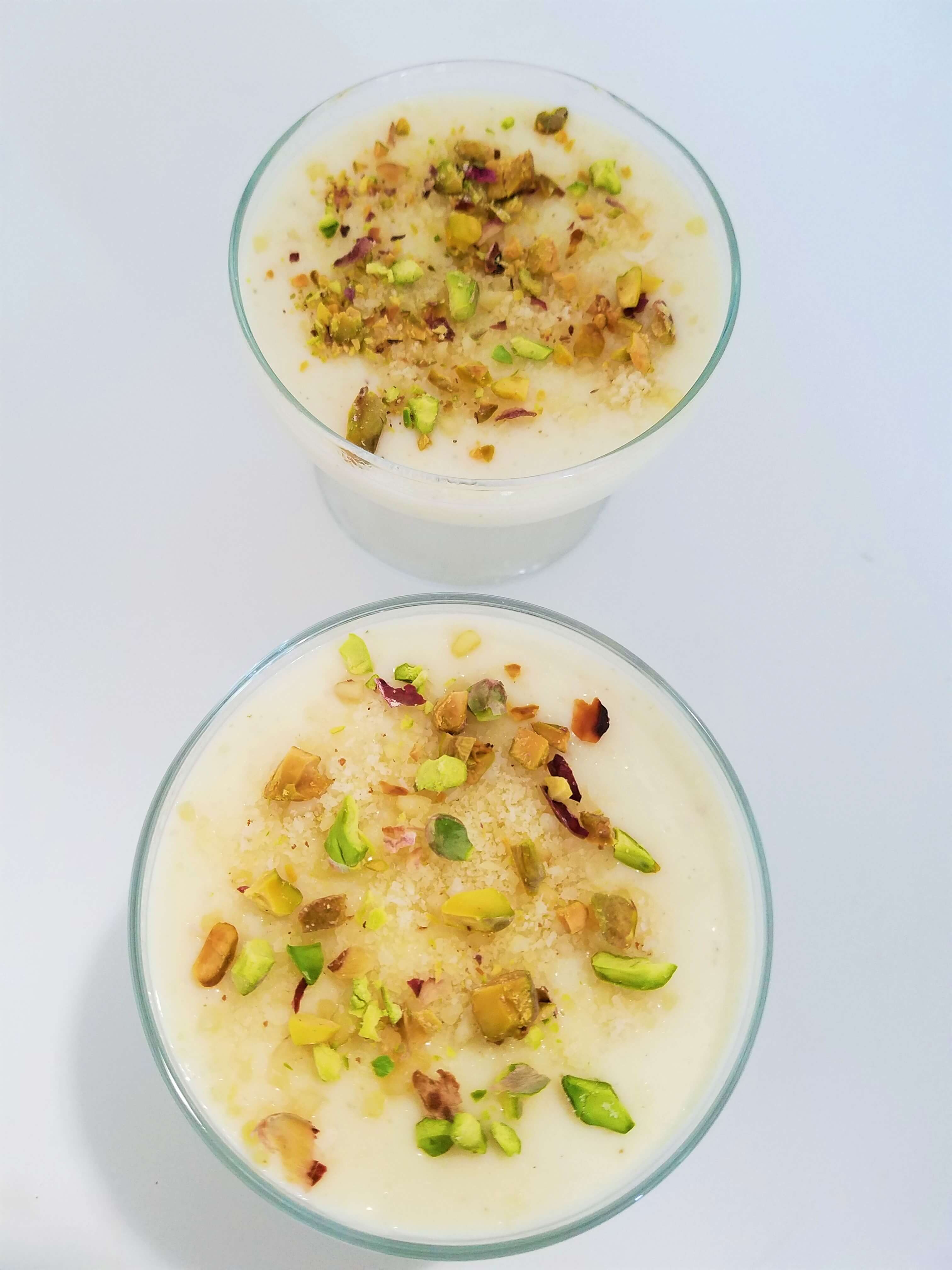
Egyptian Mahalabia
Ingredients
Method
- Whisk the slurry: Whisk 3 tablespoons of cornstarch with ¼ cup of cold whole milk in a small bowl until completely smooth and lump-free.
- Warm the milk: Pour the remaining 2 cups of whole milk and 4 tablespoons of granulated sugar into a saucepan. Heat gently over medium heat, stirring until the sugar dissolves.
- Thicken and flavor: Slowly whisk the cornstarch slurry into the warm milk. Cook, whisking constantly, for 6–8 minutes, until the mixture thickens. Stir in the vanilla extract.
- Pour, chill, and garnish: Divide the hot pudding among 4 dessert glasses. Cool at room temperature for 15 minutes, then refrigerate for at least 2 hours. Top with chopped pistachios just before serving.
Video
Notes
- For a lump-free pudding: Always dissolve the cornstarch in the reserved cold milk before adding it to the warm milk. Whisk constantly as you add the slurry for a smooth, silky texture.
- For the right consistency: Cook the pudding over medium heat for 6–8 minutes, whisking constantly, until it noticeably thickens and coats the back of a spoon. Undercooking the cornstarch can leave the pudding too thin.
- Prevent a skin from forming: For an extra-smooth surface, press plastic wrap directly onto the surface of the warm pudding before refrigerating.
- Keep the pistachios crunchy: Add the chopped pistachios or mixed nuts just before serving rather than before chilling. This keeps the garnish crisp.
If you make a fresh batch of this creamy pudding at home, I would absolutely love to hear how your silky, smooth cups turned out! Leave a comment below and let me know if you topped yours with a generous sprinkle of chopped pistachios or served it alongside a hot glass of fresh mint tea.
Don’t forget to save this recipe for your next family gathering or whenever you’re craving a simple, comforting dessert. And if you enjoyed this recipe, please leave a ⭐ star rating in the recipe card below. Your rating helps other readers discover and enjoy this recipe too!
More Recipes to Try