
Easy Egyptian Falafel (Authentic Crispy Ta’ameya)
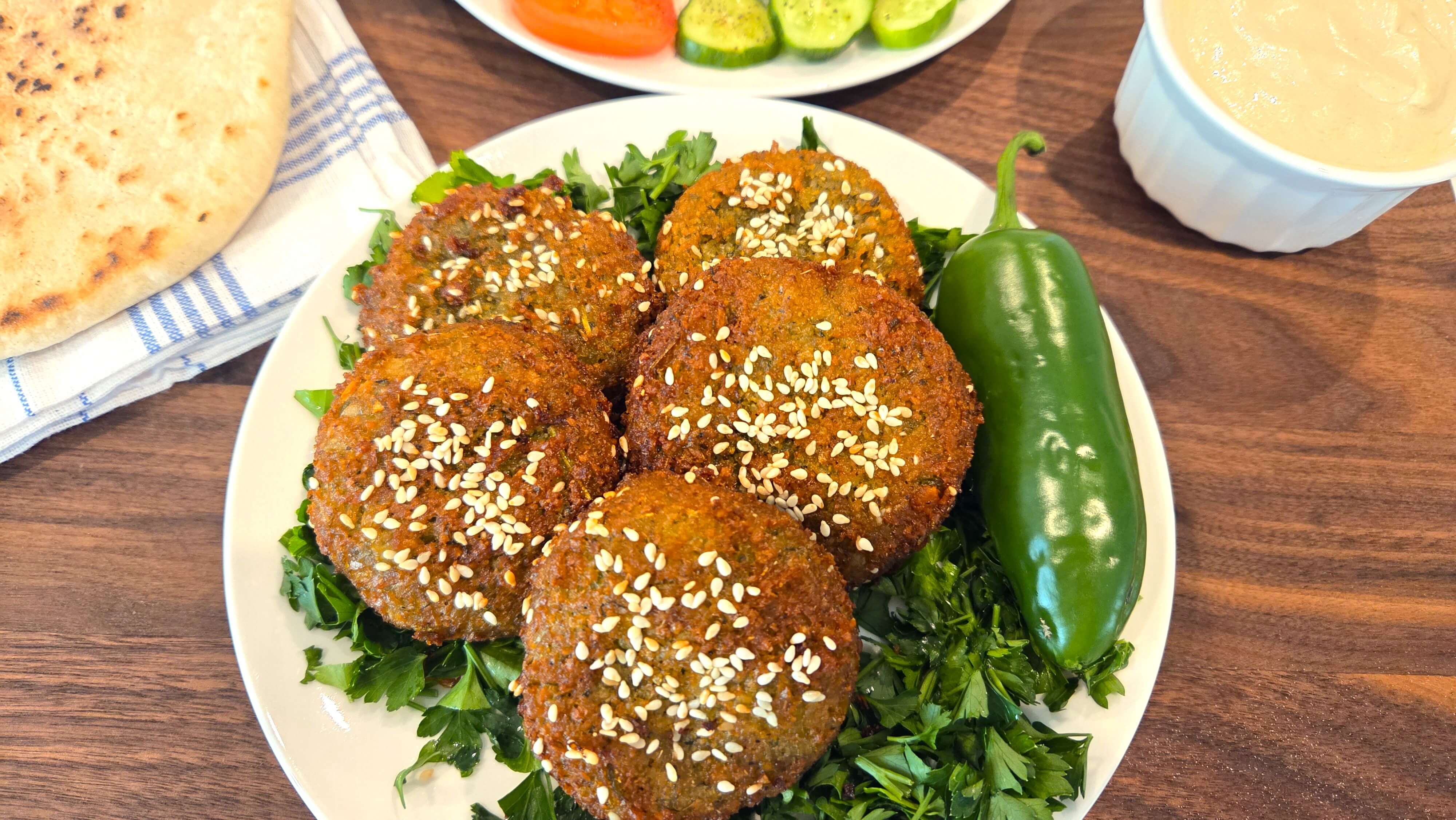
If you want to make crispy Egyptian falafel at home, this easy Egyptian falafel recipe is a great place to start. Growing up in Cairo, there was nothing better than waking up on a Friday morning to the smell of fresh ta’ameya frying nearby. Unlike many falafel recipes made with chickpeas, traditional Egyptian ta’ameya is made with soaked dried fava beans, fresh herbs, garlic, and spices.
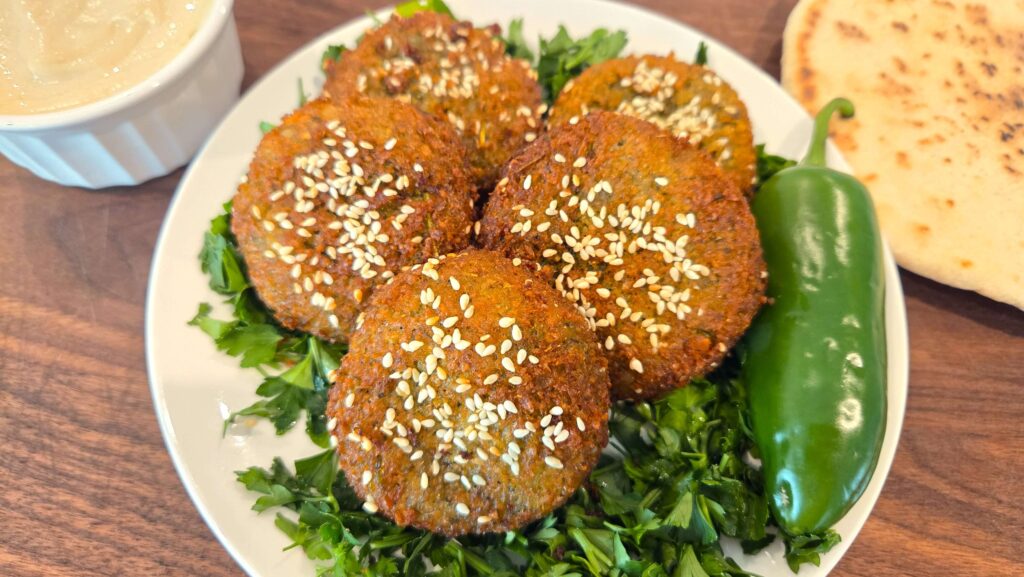
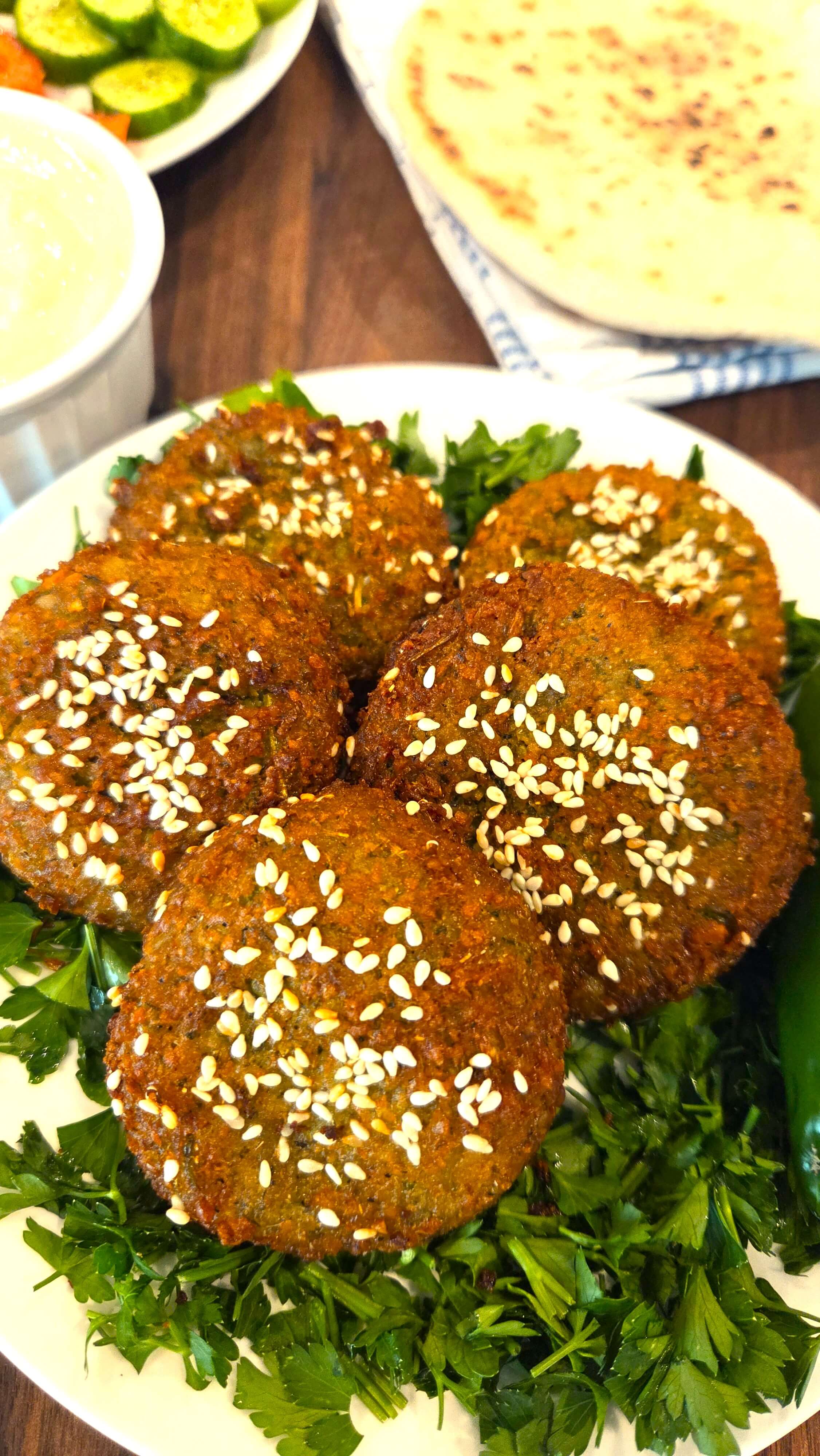
The fava beans are blended with parsley, cilantro, dill, garlic, and onion, giving the mixture its signature green color and fresh flavor. Once fried, the ta’ameya becomes golden and crisp on the outside while staying light and tender inside. A sprinkle of sesame seeds adds a little extra crunch to every bite.
Serve these homemade Egyptian falafel with warm pita, creamy tahini sauce, fresh vegetables, and pickles for a satisfying Egyptian breakfast or meal. I’ll also show you how to get the mixture to the right consistency, keep the falafel from falling apart, and get that light, fluffy center at home.
What Is Egyptian Falafel (Ta’ameya)?
Egyptian falafel, known as ta’ameya in Egypt, is traditionally made with soaked dried fava beans rather than chickpeas. The fava beans are blended with fresh parsley, cilantro, dill, garlic, onion, and spices, giving Egyptian ta’ameya its signature green color, fresh herb flavor, and light texture.
Unlike many chickpea-based falafel recipes, Egyptian ta’ameya has a light, fluffy interior while the outside becomes golden and crisp when fried. It is a popular Egyptian breakfast and street food, commonly served with warm pita bread, tahini sauce, fresh vegetables, and pickles.
The combination of fava beans and fresh herbs is what gives ta’ameya its distinctive green color and fresh flavor, making it a deliciously different take on the falafel found throughout the Middle East.
Why Is Egyptian Falafel Made With Fava Beans?
Fava beans have long been a staple of Egyptian cooking, which is why they became the traditional base for ta’ameya. Dried fava beans are affordable, filling, and widely used in Egyptian kitchens, making them a natural choice for this everyday breakfast and popular street food.
For ta’ameya, the dried fava beans are soaked overnight rather than cooked, then blended with fresh herbs, onion, garlic, and spices. This gives the mixture the right texture for shaping and frying while helping create the light, fluffy center that Egyptian falafel is known for.
Why You’ll Love This Easy Egyptian Falafel
This easy Egyptian falafel is one of my favorite recipes to make at home, and I always like to keep a batch ready to cook in my freezer:
- Crispy and Golden: Each falafel fries up golden and crisp, with sesame seeds adding a little extra crunch and a delicious nutty flavor.
- Light and Fluffy Inside: The fava bean and fresh herb mixture gives these ta’ameya a light, tender, fluffy center that makes them so satisfying to eat.
- Easy to Make Ahead: The uncooked fava bean mixture can be frozen for up to 3 months before adding the baking powder, so you can prepare a batch ahead and fry fresh ta’ameya whenever you want.
- Naturally Vegan: Made with fava beans, fresh herbs, garlic, and spices, this recipe is naturally vegan and makes a filling breakfast or meal.
- Perfect for an Egyptian Breakfast: Serve homemade ta’ameya with warm pita, tahini, fresh vegetables, and pickles for a simple Egyptian-style breakfast at home.
Ingredients for Egyptian Ta’ameya
The ingredients for Egyptian ta’ameya are simple, but each one plays an important role in creating the right texture and flavor.
- Dried Peeled Fava Beans: These are the foundation of Egyptian falafel. Use dried peeled fava beans and soak them overnight before draining and grinding. Avoid canned or cooked beans, which contain too much moisture for this type of falafel mixture.
- Fresh Parsley, Cilantro & Dill: This combination of fresh herbs gives ta’ameya its signature green color, fresh flavor, and aroma.
- Yellow Onion, Green Onions & Garlic: These aromatics add savory depth and balance the fresh herbs.
- Ground Coriander & Cumin: These warm spices add the earthy, savory flavor associated with Egyptian ta’ameya.
- Salt & Black Pepper: Simple seasonings that bring all the flavors together.
- Baking Powder: Added just before frying, baking powder helps create a lighter, airier texture inside the falafel.
- Sesame Seeds: Optional, but a traditional-style coating that adds a pleasant nutty flavor and extra crunch as the falafel fries.
How to Make Egyptian Falafel Step by Step
Making Egyptian falafel at home is simple once you get the fava bean mixture to the right consistency. Follow these steps to prepare the ta’ameya mixture, chill and aerate it, shape the patties, and fry them until golden and crisp.
- Soak the Dried Peeled Fava Beans
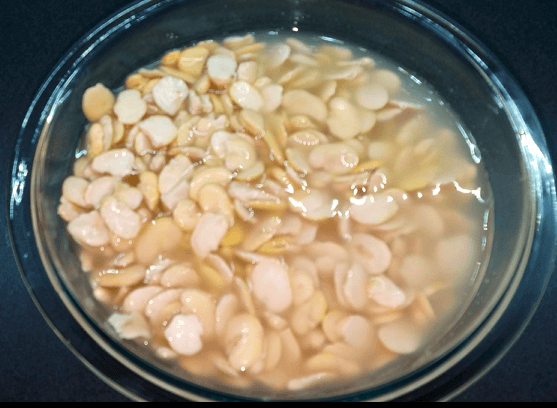
Place the dried peeled fava beans in a large bowl and cover them generously with cold water. Soak for at least 8 hours or overnight, until the beans are softened. Drain them thoroughly in a colander and rinse well under cold running water.
- Grind the Fava Beans and Fresh Herbs
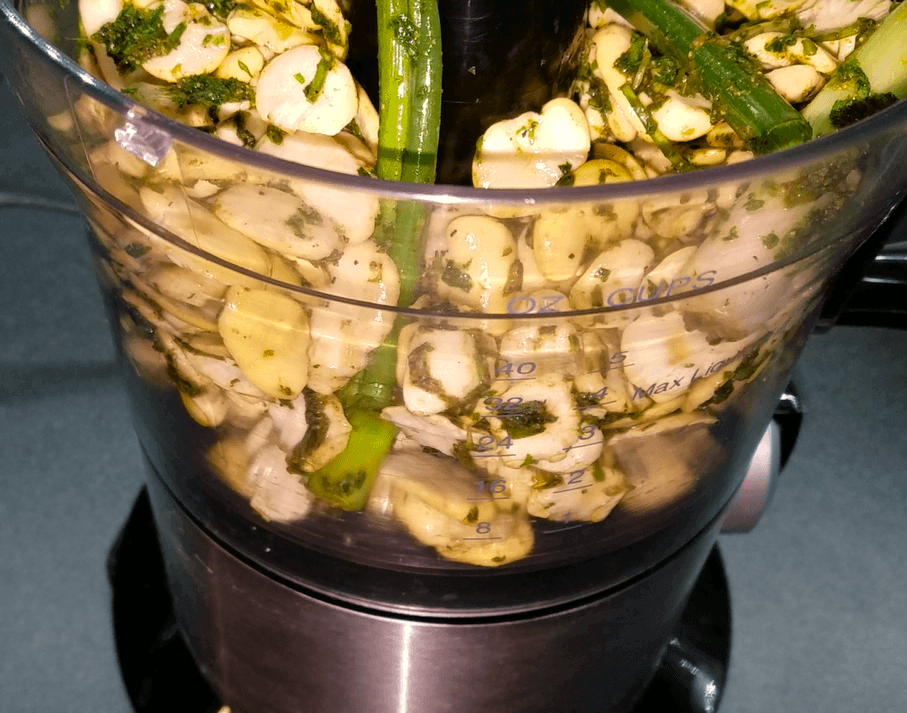
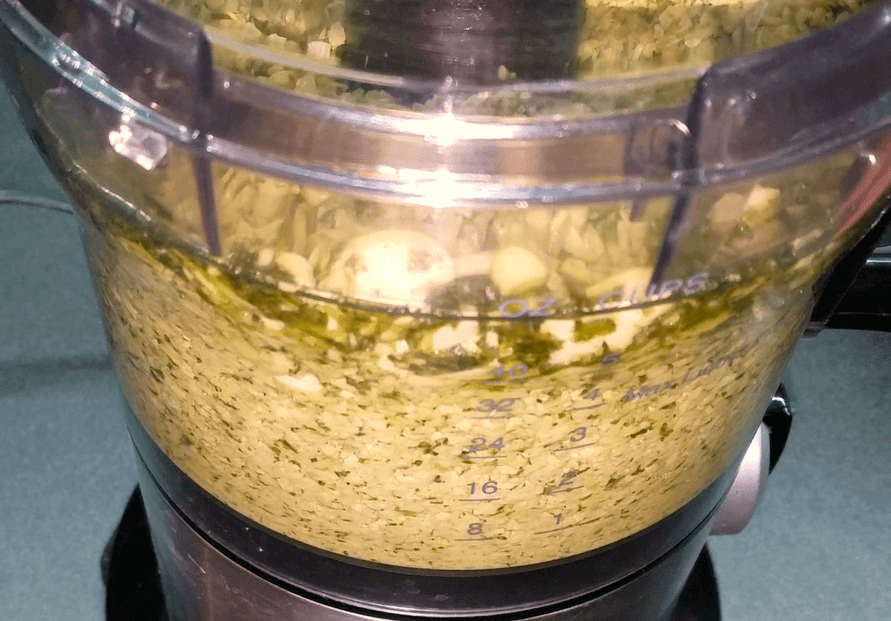
Add the drained fava beans, yellow onion, green onions, garlic, parsley, cilantro, and dill to a food processor. Pulse until the mixture is finely ground and resembles coarse sand. Avoid processing it into a smooth puree; the mixture should still have some texture.
- Add the Spices
Add the ground coriander, cumin, salt, and black pepper. Pulse briefly until the spices are evenly distributed throughout the mixture.
- Chill and Drain the Falafel Mixture
Transfer the mixture to a fine-mesh colander set over a bowl and refrigerate for 30 minutes. This allows excess moisture to drain while the mixture chills and firms up, making it easier to shape and helping prevent the falafel from falling apart during frying.
If you’re making the mixture ahead, freeze it at this stage before adding the baking powder. Thaw it in the refrigerator, then continue with the next step.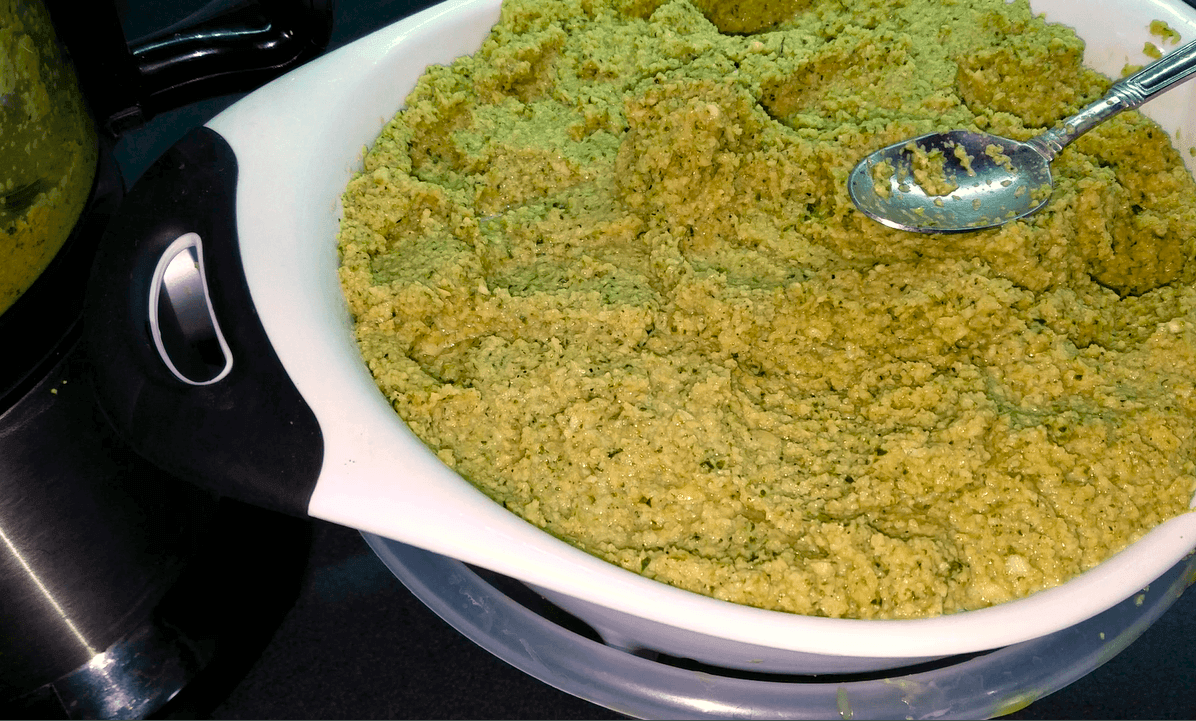
- Add the Baking Powder and Whisk
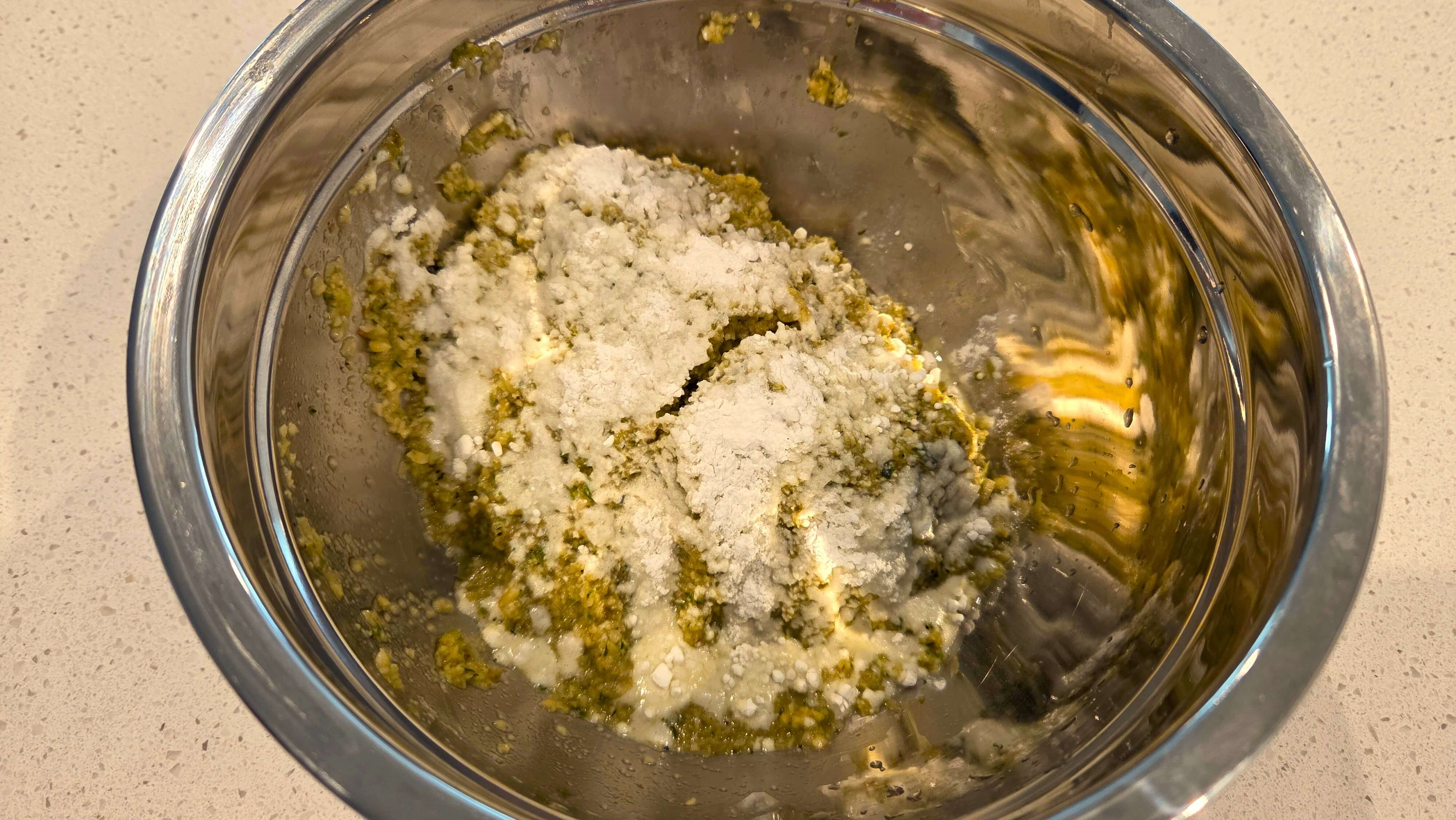
When you’re ready to fry, transfer the chilled mixture to a bowl and stir in the baking powder. Whisk the mixture vigorously for 2 to 3 minutes to incorporate air and help create a lighter, fluffier texture.
- Shape the Ta’ameya
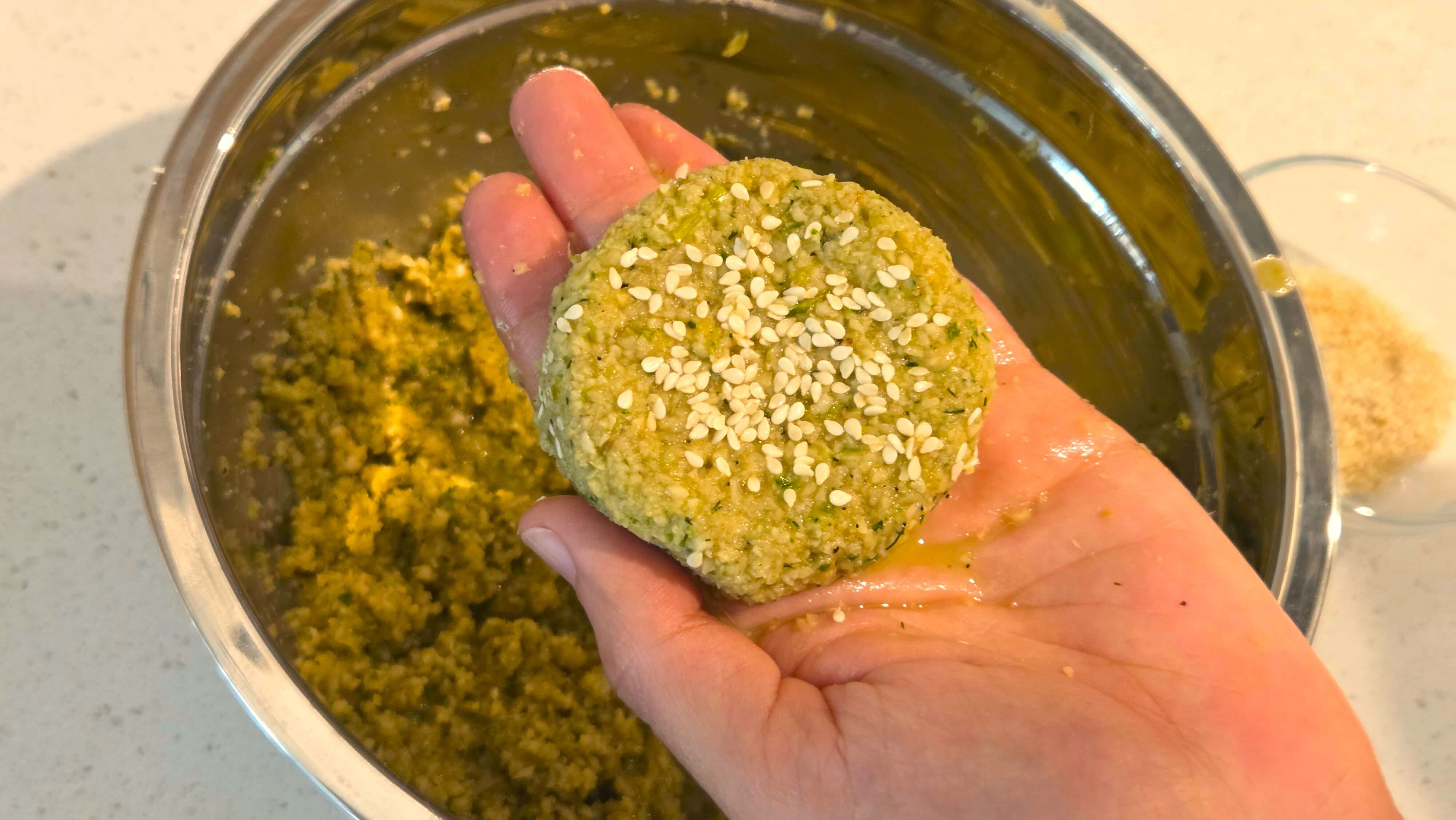
Scoop about 2 tablespoons of the mixture and gently shape it into a small, flat patty. If using sesame seeds, press a small amount onto both sides of each patty.
- Fry the Egyptian Falafel
Heat the vegetable oil in a deep pan to 350°F (175°C). Carefully add the patties in small batches, making sure not to overcrowd the pan. Fry until deeply golden brown and crisp on the outside, turning as needed.
Transfer the cooked ta’ameya to a paper towel-lined plate to drain.
Serve hot with warm pita bread, tahini sauce, fresh vegetables, and pickles.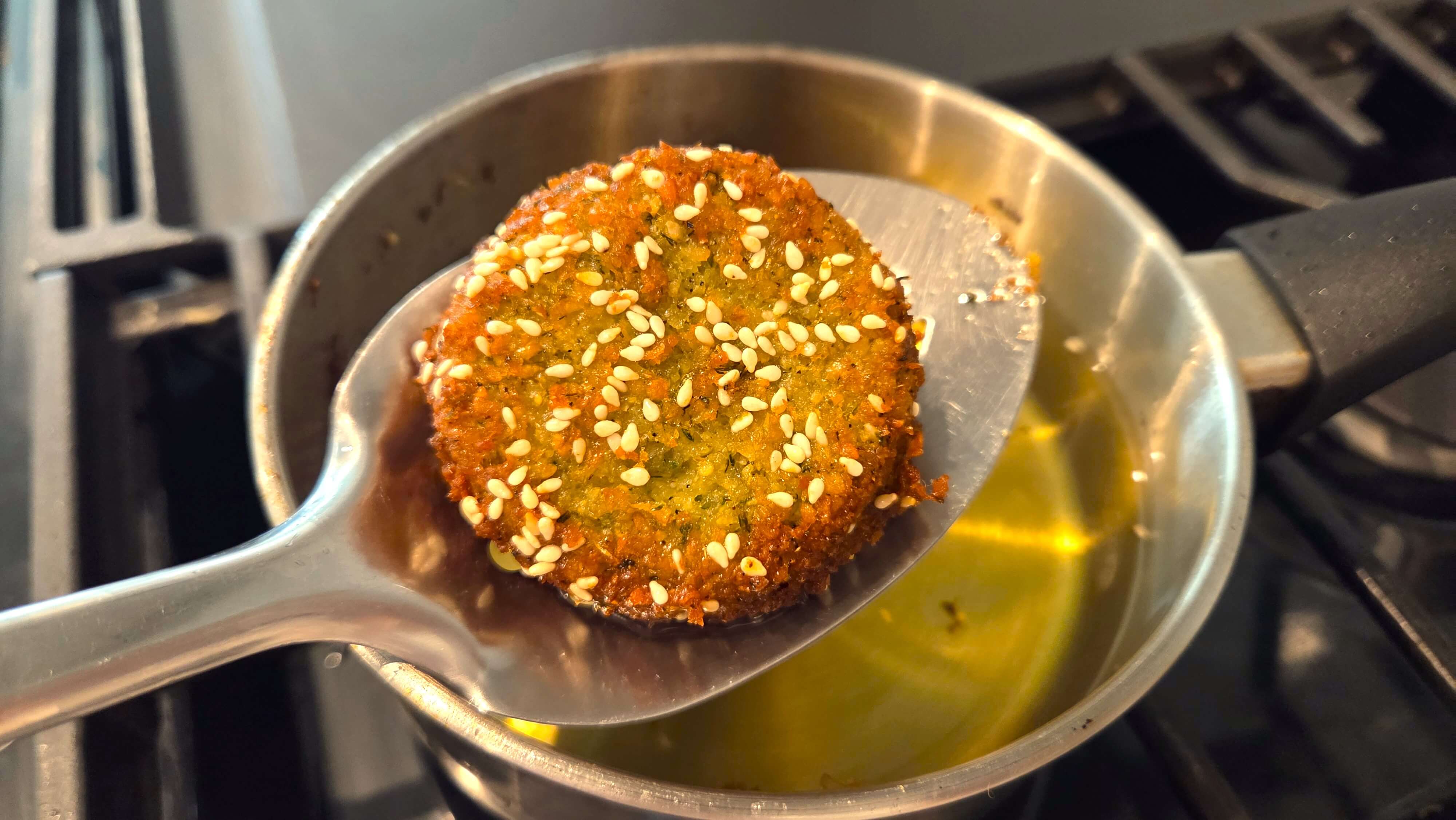
What to Serve with Egyptian Falafel
Serve warm Egyptian falafel with a few simple sides for a satisfying breakfast, lunch, or mezze-style meal:
- Warm pita bread
- Creamy tahini sauce or hummus
- Fresh Mediterranean Cucumber Tomato Salad
- Pickled vegetables or Egyptian pickles
- Egyptian Ful Medames — a classic Egyptian fava bean breakfast dish
- Breakfast Casserole — another hearty breakfast option
You can stuff crispy ta’ameya into warm pita with tahini, tomatoes, cucumbers, and pickles, or serve it alongside salads and other dishes as part of a larger Egyptian-style breakfast or mezze spread.
How to Store and Reheat Egyptian Falafel
- Storing cooked falafel: Place leftover cooked Egyptian falafel in an airtight container and refrigerate for up to 4 days. Let the falafel cool completely before storing to help prevent excess moisture from making them soggy.
- How to reheat falafel: For the crispiest results, reheat refrigerated falafel in an air fryer or 350°F (175°C) oven until hot and crisp on the outside, about 5–10 minutes, depending on the size. Avoid microwaving when possible, as it can make the falafel soft.
- Storing the uncooked falafel mixture: Store the prepared fava bean mixture without baking powder in an airtight container in the refrigerator for up to 3 days. For longer storage, freeze the mixture in airtight freezer bags or containers for up to 3 months. Thaw it in the refrigerator, then add the baking powder, whisk, shape, and fry as directed.
Frequently Asked Questions (FAQs)
Egyptian falafel, known as ta’ameya, is traditionally made with soaked dried fava beans, while many other falafel recipes use chickpeas. The fava bean mixture is blended with fresh herbs such as parsley, cilantro, and dill, giving Egyptian ta’ameya its characteristic green color and fresh flavor.
No. For this recipe, use dried peeled fava beans that have been soaked overnight. Canned or cooked beans contain too much moisture and can make the falafel mixture too soft to shape and fry properly.
The mixture may contain too much moisture or may not have been chilled enough before shaping. Make sure the soaked fava beans are thoroughly drained, chill the ground mixture for 30 minutes, and keep the oil at 350°F (175°C) while frying.
Yes, for this recipe. Use dried peeled fava beans so you can grind them directly after soaking. This also gives the ta’ameya mixture its smooth, cohesive texture.
Yes. Freeze the prepared fava bean mixture before adding the baking powder. Store it in an airtight freezer bag or container for up to 3 months. Thaw it in the refrigerator, then add the baking powder, whisk, shape, and fry.
You can, but this recipe was developed for deep frying, which gives the crispiest exterior and the texture described in this recipe. I recommend deep frying for the best results.
Adding baking powder immediately before frying helps lighten the falafel mixture and contributes to a softer, airier center. For the best results, add it only to the portion you’re ready to cook.
Scroll down to adjust the serving size, print the recipe card, or save it to your phone so you can have this crispy homemade ta’ameya ready whenever you’re craving a taste of Egypt!
Easy Egyptian Falafel
Ingredients
Method
- Soak the fava beans: Place the dried peeled fava beans in a large bowl and cover them generously with cold water. Soak for 8 hours or overnight, until the beans are softened. Drain well in a colander and rinse thoroughly under cold running water.
- Grind the beans and fresh herbs: Add the drained fava beans, yellow onion, green onions, garlic, parsley, cilantro, and dill to a food processor. Pulse until finely ground and the mixture resembles coarse sand. Do not process it into a smooth puree.
- Add the spices: Add the ground coriander, cumin, salt, and black pepper. Pulse briefly until everything is evenly combined. The mixture should hold together when pressed without being wet or runny.
- Chill the falafel mixture: Transfer the mixture to a fine-mesh colander set over a bowl and refrigerate for 30 minutes. This allows any excess moisture to drain away while the mixture chills and firms up, making it easier to shape. If you're preparing the mixture ahead of time, you can transfer it to an airtight container or freezer bag and freeze it before adding the baking powder.
- Add the baking powder: When you're ready to fry, remove the mixture from the refrigerator and add the baking powder. Whisk the mixture vigorously for 2–3 minutes to incorporate air and help create a lighter, fluffier texture.
- Shape the ta'ameya: Scoop about 2 tablespoons of the mixture and gently shape it into a small, flat patty. Press a few sesame seeds onto each side, if using.
- Fry the falafel: Heat the vegetable oil in a deep pan to 350°F (175°C). Carefully add the falafel in small batches, making sure not to overcrowd the pan. Fry until deep golden brown and crisp, turning as needed. Transfer to a paper towel-lined plate to drain.
- Serve: Serve the Egyptian ta'ameya hot with tahini sauce, warm pita bread, fresh vegetables, and pickled vegetables.
Notes
- For a Light, Fluffy Texture: After adding the baking powder, whisk the falafel mixture vigorously for 2–3 minutes before shaping. This incorporates air into the mixture and helps create a lighter, fluffier center.
- Use Soaked, Not Cooked, Fava Beans: For the best ta’ameya texture, use dried peeled fava beans soaked overnight. Avoid canned or cooked fava beans, which contain more moisture and can make the mixture too soft.
- Add Baking Powder Right Before Frying: Add baking powder only to the portion of mixture you plan to fry immediately. If you’re storing or freezing the remaining mixture, leave the baking powder out until you’re ready to cook.
- Keep the Oil at 350°F (175°C): Maintaining the right oil temperature helps the falafel become crisp and golden without absorbing too much oil. Fry in small batches and allow the oil to return to temperature between batches.
- Freezing the Raw Ta’ameya Mixture: Freeze the ground fava bean and herb mixture before adding the baking powder. Store it in airtight freezer bags or containers for up to 3 months. Thaw in the refrigerator, then add the baking powder, whisk well, shape, and fry as directed.
If you try this easy Egyptian falafel, I’d love to hear how your crispy, golden Ta’ameya turned out! Leave a comment below and let me know what you served alongside it—warm pita and tahini, fresh salad and pickles, or a full Egyptian breakfast spread.
Save this recipe for later and share it with family or friends who love homemade Egyptian food. I hope this Ta’ameya recipe brings a little taste of Egypt to your kitchen!
⭐ Loved this recipe? Please leave a 5-star rating in the recipe card and share your experience!


Best Falafel recipe. I made it last week and it was perfect. Please add more vegan recipes.